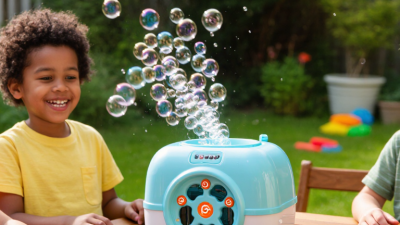
Choosing the right Easter bubbles supplier is about more than finding bright bottles and cheerful packaging. Wholesale buyers need consistent fill levels, secure caps, clear product specifications, and dependable communication. A sample may look perfect under store lighting. The bulk shipment still deserves careful inspection.
For this introduction, the expert quotation is illustrative, not a verified published statement. It is attributed to fictional sourcing specialist Elena Morris: “A good Easter bubbles order is tested by the details buyers can check: seals, labeling, case counts, and sample-to-shipment consistency.” That practical lens can help buyers compare suppliers without relying on attractive catalog photos alone. Ask about minimum order quantities, lead times, packaging options, and how quality concerns are handled. Request current product details before committing.
This Top 10 guide examines suppliers through a wholesale buyer’s perspective, including product range, customization, ordering experience, and suitability for seasonal retail. It also considers the small operational details that can affect a busy spring launch, from carton dimensions to replacement policies. Not every listing tells the whole story. Supplier information can change, so verify specifications and availability directly before placing an order. With a little diligence, Easter bubbles can add a colorful, easy-to-display touch to baskets, party tables, and seasonal promotions.

Mapping the Easter bubbles wholesale market starts with more than a supplier list. Buyers can group potential partners by manufacturing region, export experience, order size, and delivery route. Compare at least ten suppliers using the same checklist: minimum order quantity, sample quality, carton dimensions, production lead time, and capacity during peak season. Ask for clear product specifications, including bottle volume, wand design, and packaging materials. Small differences matter when products are packed into baskets or shipped in mixed cartons.
Seasonality shapes the buying window. The National Retail Federation’s 2024 Easter Spending Survey estimated total U.S. Easter spending at $22.4 billion, with consumers planning to spend an average of $177.06. That figure covers the whole holiday, not bubbles alone. Still, it signals why buyers should confirm forecasts early and avoid treating Easter demand as a steady year-round market. Request dated quotes and confirm whether quoted lead times include inspection and transit.
A useful market map separates local wholesalers from overseas manufacturers and trading intermediaries. Compare landed cost, not just unit price; freight, packaging, and delays can change the ranking. Check samples under ordinary use: caps should close firmly, and wands should fit their containers without sticking. No map is perfect. Public holiday-spending data cannot reveal supplier reliability or bubble-product sell-through, so buyers need their own order history and quality checks.
Easter bubble orders are seasonal, so a low unit price means little if stock arrives after the holiday. Compare each supplier’s minimum order quantity with your sales forecast and storage space. Some factories set separate minimums for colors, bottle shapes, or printed packaging. Ask whether the quoted MOQ applies to one design or the full order. Get the answer in writing.
Production capacity should be checked against your required ship date, not just a supplier’s monthly output claim. Request a sample schedule showing production, inspection, packing, and dispatch dates. For a large order, ask how many lines can run simultaneously and whether packaging materials are already available. Details matter. A spreadsheet can look reassuring while missing a bottleneck, such as delayed caps or labels.
Seasonal lead times often tighten before Easter, when buyers compete for factory slots and freight space. Build in time for sample approval, packaging revisions, and unexpected rework. Ask for the latest order date for your delivery window, plus a realistic buffer. Compare quoted lead times with records from previous seasonal orders, if available. Small buyers may need to negotiate mixed cartons or staged shipments; those options are not always available. Verify them before planning inventory around them.
For wholesale buyers, the figures in the subtitle are useful screening benchmarks, not a complete safety verdict. U.S. Consumer Product Safety Commission (CPSC) guidance sets a 100 ppm total-lead limit for accessible component parts of most children’s products. Its phthalate rules restrict eight specified phthalates to 0.1% each in accessible parts of covered children’s toys and childcare articles. These are separate limits. They do not mean every bubble liquid or package component follows the same testing rule.
Ask suppliers for current third-party test reports tied to the exact item number, color, and production batch. A bright wand, printed handle, or soft grip may use different materials. Check the test scope, laboratory accreditation, sample date, and whether results list each restricted phthalate rather than simply stating “pass.” CPSC’s lead and phthalate guidance offers a useful reference, but requirements can vary by product design and market. Keep records.
One practical detail is often missed: a report for one color may not represent another. Request traceability from tested sample to shipment, and ask how the supplier manages changes to pigments and coatings. Bubbles look simple. Supply chains aren’t. Review liquid-specific safety documentation separately; the 100 ppm and 0.1% figures alone cannot establish that the solution is safe. That distinction is easy to overlook, even in a polished supplier packet.
When comparing Easter bubble suppliers for wholesale orders, look beyond the quoted unit price. Ask whether the price changes by order quantity, and whether printing, packing, and freight are included. A low unit price can still disappoint. Small details matter. Request a written quote for the same bottle size and fill volume from each supplier, so comparisons stay fair. Also ask about minimum order quantities, sample fees, production time, and how damaged or leaking units are handled. These costs can affect your budget more than a small difference in the bottle price.
Packaging choices shape both shelf appeal and shipping risk. Standard bottles with simple cartons often cost less, while custom colors, printed labels, or Easter gift sets may require higher minimums and longer lead times. Ask for carton dimensions and units per case before estimating storage or delivery costs. For customization, confirm artwork requirements, color matching, label placement, and whether a physical pre-production sample is available. Test that sample for cap fit and leakage after ordinary handling. I would not approve a large run from a digital mock-up alone; colors can look different in person, and that is easy to overlook. Request product and packaging specifications in writing, then compare the finished sample with those details before placing the order.
For wholesale buyers comparing the top 10 Easter bubbles suppliers, a polished sample is only a starting point. Test several units from the same batch. Check bubble output, wand fit, cap seals, label adhesion, and leakage after a short transport simulation. I would not treat one perfect sample as proof; batch variation remains an easy detail to miss. Ask for compliance records tied to the exact product and production lot, including relevant material declarations and test reports. Confirm that documents are current and match the intended sales market, rather than accepting a generic certificate.
Delivery claims need evidence too. Request 6–12 months of on-time, in-full performance, plus written production and dispatch milestones. Ask how the supplier handles peak-season capacity, late raw materials, and shipment changes. UNCTAD’s 2024 analysis reported that weekly Suez Canal transits fell 42% over roughly two months amid shipping disruption. It is a reminder that even capable suppliers face external delays. Compare quoted lead times with actual shipment records, and agree on how delays will be reported before placing a large order.
Tips: Keep one approved sample, photograph its packaging, and record batch details. Ask for a small trial shipment before scaling up. Paperwork can be neat; performance still needs checking.