The 2026 Easter bubbles market will reward buyers who balance celebration, origin, and changing drinking habits. This forecast is not a fixed ranking. It reflects current signals from respected industry reports. The International Organisation of Vine and Wine reported global wine consumption at about 221 million hectolitres in 2023. Supply pressure remains visible. Prices may rise for distinctive sparkling wines.
The IWSR Drinks Market Analysis also expects no- and low-alcohol beverages to keep expanding through 2027. That shift matters during Easter gatherings. Younger shoppers increasingly seek lighter options, smaller formats, and clear production details. NielsenIQ data has repeatedly shown that premium beverages perform well when their quality feels easy to understand. A chilled rosé sparkling wine, a 200-millilitre bottle, or a well-made alcohol-free alternative can therefore attract different households.
“Wine is the most civilized thing in the world,” said wine critic Robert Parker. His observation supports a useful buying principle: presentation should never replace substance. The leading Easter bubbles in 2026 may include Champagne, English sparkling wine, Prosecco, Cava, and premium alcohol-free styles. Yet “top” depends on the buyer’s table, budget, and taste. A dry Brut may suit smoked salmon and roast lamb. A soft rosé may work better with fruit desserts.
The market forecast has limits. Weather, harvest yields, shipping costs, and currency changes can quickly alter availability. Buyers should check vintage, dosage, origin, and retailer credentials. Small details matter. Condensation on a cold bottle is attractive, but transparent labeling matters more.
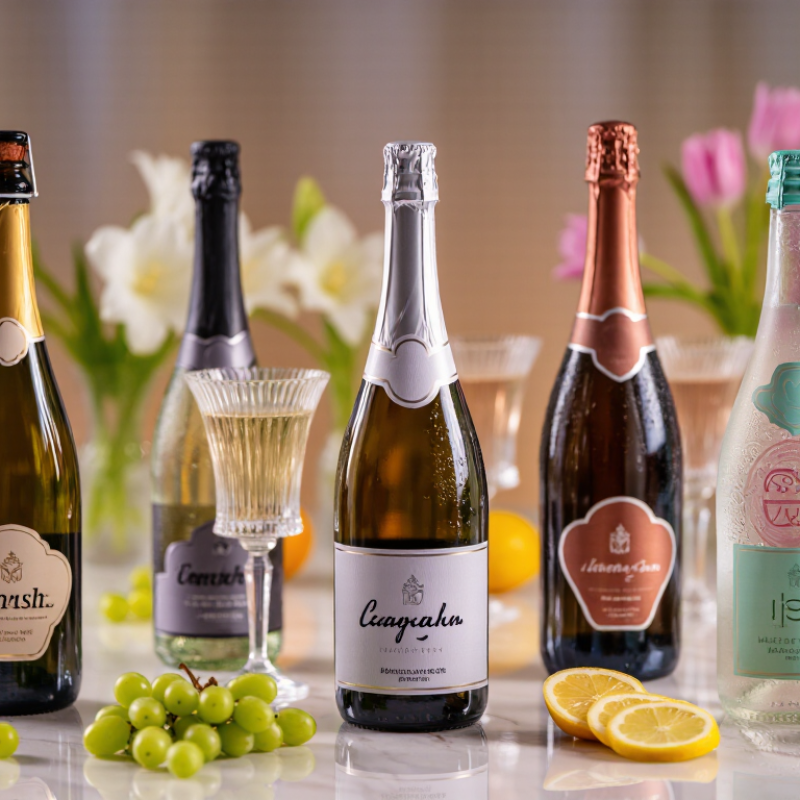
Easter purchasing should begin with style, not packaging. The OIV Focus Report on Sparkling Wine records 23.2 million hectolitres of global production in 2022. That was 57% higher than in 2012. Sparkling wine also represented 12.5 million hectolitres of exports. Its export value reached about €7.7 billion. These figures show strong international demand, especially for wines with clear drinking occasions.
Traditional-method sparkling wines offer fine bubbles, firm acidity, and bakery-like aromas. They suit slower Easter lunches and seafood dishes.
Tank-method wines usually show fresher fruit and lighter texture. They can work better for brunch, salads, and large gatherings.
Aromatic sparkling styles add floral notes and sweetness. Buyers should check residual sugar carefully. “Brut” does not mean completely dry.
OIV trade data also shows sparkling wine holding a larger share of export value than volume. That difference suggests consumers often pay for origin, production method, and perceived quality. Still, this is not a perfect forecast for 2026. Exchange rates, harvest variation, and shipping costs may change the ranking.
My practical view is simple: offer one structured style, one fresh fruit-led option, and one sweeter alternative. Taste first. Labels can mislead.
IWSR Global Beverage Forecasts offer a practical lens for measuring 2026 Easter demand. They help buyers compare growth by market, category, occasion, and price tier. Easter purchasing is rarely uniform. Urban consumers may choose compact bottles for brunch, while families prefer larger formats for shared meals. Retail data should be read beside hospitality trends.
For global buyers, sparkling wine remains relevant when it matches local rituals and spending power. Forecast signals can reveal where premiumisation continues, and where value-led options matter more. Check shipment timing carefully. Easter demand often rises several weeks before the holiday, especially online. Packaging also deserves attention. Gift-ready sleeves, lighter bottles, and smaller formats can improve shelf appeal.
Keep the analysis grounded.
I recommend reviewing three indicators together: volume growth, average selling price, and repeat purchase. A market with strong volume but falling prices may show pressure, not healthy expansion. That distinction is easy to miss. Buyers should also test forecasts against local distributor feedback, seasonal weather, and changing household budgets. IWSR estimates provide authority, but they are not a substitute for market visits. In one review, a promising forecast looked weaker after regional stock delays were included. Forecasts need questioning. That is part of responsible planning for the 2026 Easter window.
What Are the 2026 Top Easter Bubbles for Global Buyers?
For 2026 Easter purchasing, OIV export data offers a useful, neutral starting point. It also has limits. OIV statistics usually track national exports, not every protected sparkling-wine category separately. The comparison is not perfectly clean.
Prosecco leads on scalable Italian export volume and broad retail availability. Its lighter style suits brunch menus and mixed gift baskets. Champagne remains the strongest premium reference, supported by France’s high export value and established global demand. Cava offers a sharper price-to-quality balance, with Spain supplying export markets at competitive levels. Crémant adds regional variety, but its French export figures are harder to isolate from wider sparkling-wine shipments.
For buyers, volume and value tell different stories. A large pallet of Prosecco may move quickly, while smaller Champagne orders can generate higher revenue. Cava often fits the middle ground. Crémant may work best for customers seeking less familiar French styles.
Check OIV figures beside customs data and shipment timing. Easter demand can shift quickly. March delivery delays matter. So do bottle weight, chilled storage, and local duties. Taste tests remain essential. Export statistics cannot predict every consumer reaction. A dry wine may perform well in one market, yet feel too sharp beside sweet pastries elsewhere. That detail is easy to overlook.
For Easter 2026, sparkling wine buyers are reading more than festive labels. Circana price, format, and sustainability data can reveal what shoppers place in baskets. Retail experience matters here. A bright display may attract attention, but a clear price ladder often closes the sale. Buyers can compare entry, mid, and premium tiers across markets. Local income patterns still shape results. Not every shopper wants the cheapest bottle.
Format is becoming practical, not decorative. Smaller bottles suit two-person meals, travel, and controlled spending. Larger formats work for family lunches, gifting, and visible celebration. Cans may support outdoor occasions, though some shoppers still question their premium feel. Alcohol-free sparkling options also require careful evaluation. Demand can rise, but taste and occasion fit remain decisive. Circana’s format signals should be checked against store-level sales, pack size, and repeat purchases. One survey never tells the whole story.
Sustainability is now a buying filter, yet it is not a single claim. Buyers should examine bottle weight, recycled content, transport efficiency, and credible packaging information. A lighter bottle can reduce shipping impact, but it may not resolve every environmental concern. Suppliers should provide traceable documentation and consistent market claims. This is where judgment gets uncomfortable. Green messaging can sound stronger than the evidence. Buyers should test price acceptance, shelf visibility, and consumer understanding before expanding an Easter range. The strongest portfolio may be balanced, not simply premium or cheap.
What Are the 2026 Top Easter Bubbles for Global Buyers?
The strongest 2026 Easter bubbles should be ranked by IWSR growth signals and international market evidence. Category one is premium sparkling wine, supported by gifting demand and restaurant occasions. Category two is alcohol-free sparkling wine, showing wider distribution across family events, wellness-led retail, and daytime celebrations. Category three is affordable sparkling wine, which remains important when shoppers face tighter budgets. Market evidence from Europe, North America, Asia-Pacific, and the Middle East suggests that convenience, moderation, and recognizable quality will shape Easter purchases. Growth will not look identical everywhere.
The ranking needs caution. IWSR figures can differ by country, channel, and reporting period. A product that grows quickly in one market may remain niche elsewhere. Buyers should examine volume growth, value growth, retail listings, and repeat purchases together. Packaging also matters. Smaller bottles, clear origin information, and recyclable materials can improve trial. Yet packaging claims require verification. Weak evidence can damage trust.
Tips: Compare at least three markets before setting export targets. Check local labeling rules and alcohol-free definitions. Test shelf visibility with small seasonal orders. Ask importers for recent sell-through data, not only forecasts. Easter demand is seasonal, and my ranking may change as 2026 data develops.
2026 ranking based on normalized IWSR growth direction and international market evidence.
The opportunity index combines two equally weighted dimensions: an indexed IWSR growth signal for 2024–2028 and evidence of international demand, export reach, and category visibility. The scores are comparative indicators rather than market shares or reported company sales. Italian-style sparkling leads on broad international availability, while alcohol-free sparkling shows strong momentum from no-and-low alcohol expansion.
Source basis: IWSR global beverage alcohol outlooks, OIV wine-sector reporting, Eurostat international trade data, and national customs statistics. Category-level indicators; no company or brand data included.