Choosing the best bubble maker in 2026 requires more than comparing colorful packaging.
A reliable machine should produce steady streams, consistent bubble size, and minimal floor mess. It should also match your setting. A small tabletop bubble maker may suit a family room, while outdoor events need stronger airflow and a larger solution reservoir. Check the fan noise, battery life, charging method, and cleaning access before buying. Tiny details matter.
Bubble artist Tom Noddy, a pioneer of modern bubble performance, often says, “Bubbles are magic.” His words capture the appeal, but a practical buyer must test the machinery behind that magic. A good bubble maker should start quickly, avoid frequent clogs, and create bubbles without spraying excessive liquid. Look for adjustable speed controls and a stable base. These features improve control around children, pets, furniture, and electronic equipment.
Real-world experience can expose weaknesses that product pages hide. Some machines sound quiet in advertisements but become distracting indoors. Others create impressive clouds for ten minutes, then lose pressure. That happened during one of my early tests. I focused too much on output and ignored cleanup time.
This guide examines performance, durability, operating cost, safety features, and user feedback. It also considers rechargeable models, event-grade machines, and compact options for home use. No single bubble maker fits every buyer. Your best choice depends on space, audience, budget, and how often you are willing to clean it. Expect trade-offs. That is the honest part.
How to Choose the Best Bubble Maker in 2026?
Understanding Bubble Maker Types and Their Main Uses
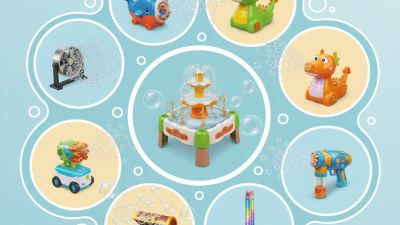
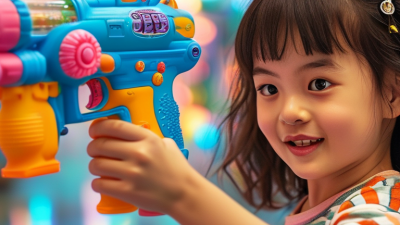
Bubble makers differ by output, control, and setting. A handheld wand suits quiet play, small gatherings, and outdoor experiments. It creates fewer bubbles, but children can control each movement. Battery-powered models add convenience for birthdays and short demonstrations. Their performance may weaken when batteries become cold or nearly empty. Check that detail before buying.
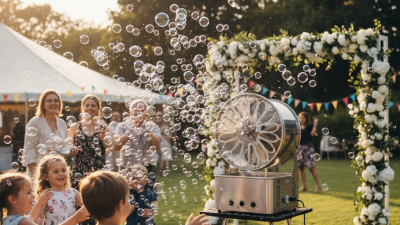
Electric fan-style machines produce a steady stream of bubbles. They work well for family events, school activities, photo sessions, and garden parties. A larger commercial-style machine can cover stages or spacious venues. However, high output is not always better. Too many bubbles can block visibility, wet floors, or distract young children. I once underestimated this problem during an indoor test, and cleanup took longer than expected.
Choose the type according to the space and audience. For toddlers, select a stable device with guarded moving parts and a mild, clearly labeled solution. For photography, adjustable speed matters more than maximum volume. For teaching, a transparent reservoir can help explain airflow and surface tension. Test the machine for ten minutes before an event. Watch for leaks, unusual heat, and uneven bubble size. Keep floors dry, provide ventilation, and follow the solution manufacturer’s instructions. Small details matter. Performance also changes with humidity, wind, and solution age. A model that performs beautifully outdoors may disappoint in a warm room. That uncertainty deserves attention.
| Bubble Maker Type | Operating Method | Typical Power Source | Typical Liquid Capacity | Typical Continuous Use | Bubble Output | Best Main Uses | Main Advantages | Important Limitations |
|---|---|---|---|---|---|---|---|---|
| Manual Bubble Wand | A loop is dipped into bubble solution and moved through the air. | No electricity required | Usually supplied from a small open container; no built-in tank | As long as solution is available | Low to moderate; depends on the wand size and user technique | Children’s play, classrooms, craft activities, and occasional outdoor use | Lowest cost, quiet operation, easy to store, and simple to control | Requires continuous user involvement and produces limited volume |
| Handheld Battery-Powered Maker | A small motor rotates one or more bubble wheels through liquid while a fan blows air. | Disposable batteries or rechargeable battery | Approximately 100–300 ml | About 10–30 minutes per refill or battery cycle, depending on speed | Low to moderate | Small parties, children’s events, photography props, and backyard play | Portable, easy to operate, and more consistent than a manual wand | Shorter operating time, limited coverage, and possible battery replacement costs |
| Compact Tabletop Electric Maker | An electric motor continuously turns a bubble wheel or wand assembly in a built-in tray. | AC power adapter; some models also support batteries | Approximately 250–750 ml | About 30–90 minutes per refill, depending on airflow and liquid use | Moderate and continuous | Indoor parties, patios, birthday celebrations, schools, and small stage areas | Hands-free operation, stable output, and easy placement on a flat surface | Needs a nearby power outlet and a spill-resistant, level location |
| Automatic Refill Bubble Maker | A pump transfers solution from a larger external container into the operating tray. | AC power; some commercial units use rechargeable power systems | Built-in tray plus an external container, commonly 1–5 litres total capacity | Several hours with sufficient solution and proper maintenance | Moderate to high and suitable for extended operation | Long events, children’s attractions, retail displays, and repeated entertainment use | Reduces manual refilling and supports longer unattended operation | More expensive, heavier, and requires cleaning of pumps, tubing, and trays |
| High-Output Floor or Stand-Mounted Maker | Multiple rotating wheels or wands create bubbles while one or more fans distribute them across a wider area. | AC power | Approximately 1–3 litres, depending on the unit design | About 1–3 hours per refill under normal operating conditions | High; designed for broad-area coverage | Outdoor festivals, stage performances, weddings, amusement areas, and large parties | Covers larger spaces and creates a strong visual effect from a distance | Less portable, louder, more costly, and potentially slippery on hard floors |
| Giant Bubble Wand or Rope Set | A large loop or rope frame is coated with solution and pulled through the air to form oversized bubbles. | No electricity required | Uses an external bucket or shallow tray, commonly 1–5 litres | As long as solution is available and the user continues operating it | Low in quantity but very large in bubble size | Outdoor demonstrations, science activities, fairs, photography, and family events | Creates large, dramatic bubbles without motors or batteries | Needs practice, calm airflow, adequate space, and frequent solution handling |
| Weather-Resistant Outdoor Maker | A motorized wheel-and-fan system is housed in a casing designed to better tolerate outdoor conditions. | AC power, battery pack, or both | Approximately 500 ml–2 litres | About 1–3 hours per refill, depending on output level and wind | Moderate to high | Outdoor ceremonies, parks, playgrounds, sports events, and mobile entertainers | Better portability and durability for changing outdoor conditions | Wind can disperse bubbles quickly; outdoor protection does not mean waterproof operation |
| Selection tip: Choose a manual or handheld model for portability and occasional use, a tabletop or automatic-refill model for regular indoor events, and a high-output floor unit for large-area coverage. Actual output, operating time, and liquid consumption vary with fan speed, bubble-solution formula, temperature, humidity, and wind conditions. | ||||||||
The right bubble maker depends on where, why, and how often you will use it. For children’s parties, choose a unit with steady output, simple controls, and a wide bubble stream. A compact design matters when tables and walkways are crowded. For outdoor events, check wind resistance, battery life, and liquid capacity. A machine that empties quickly can interrupt the activity.
For photography or stage use, adjustable speed is more important than maximum bubble volume. Smaller bubbles create a soft background, while larger bubbles produce clearer shapes. Look for reliable airflow controls and a quiet motor. Noise can spoil recordings. I once chose a powerful model for a small room, and the constant hum became distracting. My first choice was wrong.
Cleaning features deserve careful attention. Removable trays, smooth surfaces, and accessible openings reduce dried residue after use. Check whether the maker supports the intended bubble solution, since thick liquids may clog internal parts. Safety also matters. Stable feet, protected moving parts, and low-heat operation are practical details around children. Battery indicators are useful, but they are not always precise. Test the running time before an important event. Read independent user experiences, inspect the warranty terms, and compare measured performance rather than attractive claims. Sometimes the simpler machine performs better.
How to Choose the Best Bubble Maker in 2026?
Power matters. Battery-powered bubble makers are convenient for parks, weddings, and children’s parties. However, batteries may weaken during long sessions or cooler weather. USB-powered models suit homes and venues with nearby outlets. Mains-powered units usually deliver steadier performance, but cables can limit placement and create trip risks. I once chose portability over continuous output, and that decision proved incomplete.
Material quality affects durability and cleaning. Look for sturdy, non-porous housing, corrosion-resistant metal parts, and a tightly fitted liquid tray. Smooth surfaces are easier to wipe after sugary or dusty outdoor use. Check the seal. Weak joints can cause leaks and uneven operation. I prefer designs that allow simple access to the fan and rotating wands. Still, “easy to clean” claims deserve practical testing.
Capacity should match the event, not just the product description. A small reservoir may work for a bedroom, while a larger one reduces refills during a busy reception. Bubble output depends on fan strength, wand design, liquid thickness, and room airflow. More bubbles are not always better; excessive foam can leave slippery floors. Test the machine for ten minutes before buying, measuring coverage, noise, and refill frequency. A reliable choice should produce consistent bubbles without overheating or splashing.
Comparing power sources, materials, capacity, and bubble output using representative consumer-product specifications.
AC-powered models generally deliver the highest bubble output and support larger reservoirs, while USB-rechargeable models offer a balance between portability and performance. Battery-operated models are convenient for outdoor use but typically provide lower output. Common housing materials include ABS and polypropylene, both lightweight plastics suited to water-based bubble solutions.
A good bubble maker should feel safe before it feels exciting. Look for a stable base, rounded edges, and a covered fan area. A low-voltage battery compartment is also helpful, especially around children. Choose bubble solution with clear ingredients and follow its usage instructions. Adult supervision still matters.
Maintenance affects performance more than many buyers expect. After each use, empty leftover solution and wipe the tray with a soft, damp cloth. Keep the motor area dry. Dried liquid can block the bubble wheel.
I once overfilled a small machine, and cleaning it took longer than expected. That mistake changed how I judge fill-line markings.
Tips: Choose a model with a visible fill line, removable parts, and simple controls. Test whether the power button responds without force. For portability, check the handle, battery weight, and storage size. A compact design is useful, but a very small reservoir may require frequent refills. Ease of operation should include setup, refilling, cleaning, and safe storage. Read the manual before use, even when the controls look obvious. Some designs are easier to carry than to clean, which is an inconvenient detail worth noticing.
A good bubble maker should match your actual use, not only your budget. In my experience, a cheap unit can become expensive when its motor weakens after several outdoor sessions. Check the casing, trigger, bubble wand, and battery compartment. Thick plastic usually handles drops better, but it may add weight for small children. Water-resistant construction is useful near pools, although it does not mean waterproof.
Price is only one part of long-term value. Compare battery life, refill capacity, cleaning access, and replacement parts before buying. A model using standard batteries may cost more over time than a rechargeable option. However, rechargeable batteries can lose capacity after repeated charging. I once underestimated this issue. My first estimate was wrong.
Tips: Test the trigger with one hand. Look for steady airflow, not loud noise. Choose a wide opening for quick refills. Read recent user reviews carefully, especially comments about leaks and clogged wands. Keep a small cloth nearby, because dried bubble liquid can make controls sticky. Check the return period and warranty terms in writing. Clear support matters. A reliable product should explain its materials, charging method, and safe cleaning process without vague promises. Avoid paying extra for decorative lights if the motor feels weak or the container is difficult to open.