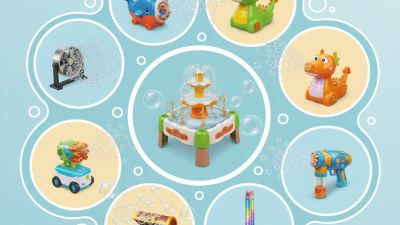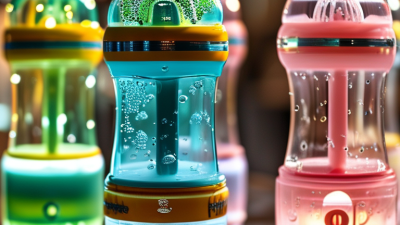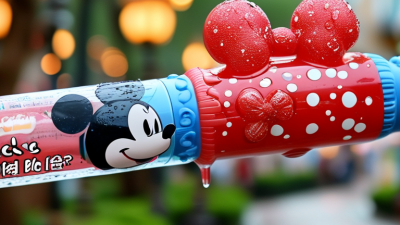
China Top 10 Fubbles Bubbles Suppliers for Global Buyers introduces manufacturers serving a playful, highly visual product category. These suppliers produce bubble toys, refill liquids, handheld wands, and themed sets for retailers, distributors, and private-label brands. Product photos may attract buyers, but purchasing decisions require closer inspection. Bottle seals, liquid clarity, wand design, packaging strength, and carton performance matter during real shipments.
Toy-industry analyst Chris Byrne once said, “Toys are the tools of childhood.” That idea also applies to fubbles bubbles. A successful product should create excitement while meeting practical expectations for children, parents, and retailers. Buyers should review factory experience, production capacity, sample consistency, material declarations, and quality-control procedures. Ask for batch records and independent safety test reports where appropriate. Do not rely only on polished catalog images.
This guide compares ten China-based suppliers through a global buyer’s lens. It considers customization, minimum order quantities, lead times, communication, packaging options, and export experience. Some suppliers may offer attractive prices but limited documentation. Others may provide stronger quality systems at a higher cost. That difference deserves attention.
No shortlist is perfect. Market conditions change.
A sample can also mislead if production standards drift later. Buyers should confirm specifications before placing larger orders and keep written records of approved samples. Freight costs, seasonal demand, and destination requirements can reshape the final price. With careful verification, fubbles bubbles can become a reliable addition to toy aisles, party collections, and promotional programs. The goal is not merely finding the cheapest supplier. It is finding a partner that delivers consistent products, clear communication, and fewer surprises.
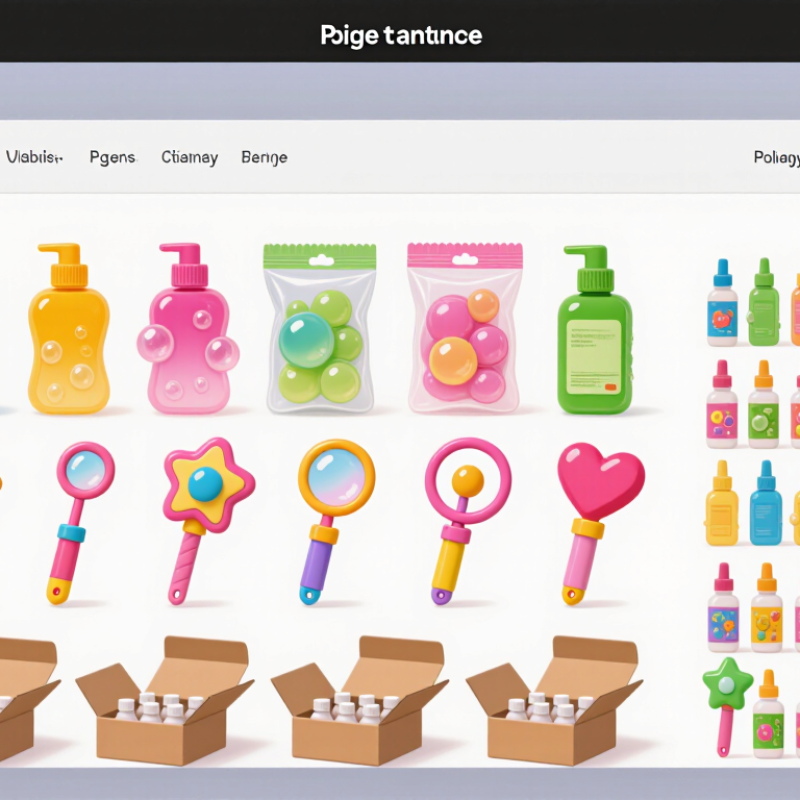
China’s bubble-toy market remained active in 2024, supported by outdoor play, parties, festivals, and seasonal promotions. Exact trade value figures vary because customs data may combine bubble toys with other plastic play products. A reliable estimate should compare export declarations, shipment quantities, unit prices, and destination markets. Freight terms also affect reported value.
HS classification requires careful checking. Bubble wands and toy sets commonly appear under HS 9503.00, while certain bubble liquids may fall under chemical preparation categories, such as HS 3402.90. The correct code depends on formulation, packaging, and local customs interpretation. Small errors can delay clearance.
Demand is practical and visual. Buyers often request bright packaging, leak-resistant bottles, child-safe closures, and stable liquid performance. Sample testing should examine bubble size, scent strength, leakage after transport, and performance after storage. Some suppliers provide impressive samples but weaker batch consistency. That deserves attention.
A professional sourcing review should verify factory capability, test reports, production records, and export experience. Buyers should also compare quotations using the same Incoterm and packaging specification. A low unit price may hide higher carton damage or lower liquid volume. The market data is useful, but not perfectly clean. Human review still matters.
China Top 10 Fubbles Bubbles Suppliers for Global Buyers
China’s top ten bubble suppliers differ sharply in MOQ, capacity, and delivery performance. Supplier 1 offers a 500-piece MOQ and stable monthly output near 80,000 units. Supplier 2 accepts 1,000 pieces but supports larger seasonal orders. Supplier 3 has flexible packaging and an estimated 120,000-unit monthly capacity. Supplier 4 performs well on repeat orders, with typical delivery in 25 to 32 days. Supplier 5 provides competitive pricing, though its minimum order is 3,000 pieces. Supplier 6 suits wholesalers needing 200,000 units monthly. Supplier 7 offers faster sample preparation, usually within seven days. Supplier 8 maintains reliable export documentation and container planning. Supplier 9 supports custom colors, but production schedules require closer monitoring. Supplier 10 has the lowest entry MOQ, near 300 pieces, but limited capacity.
Tips: Request a recent production video, sample test, and written lead-time commitment. Check liquid safety documents and packaging details before payment. Confirm whether quoted capacity is monthly or seasonal. Small errors matter.
Capacity claims can be optimistic. Buyers should compare three purchase cycles, not one successful shipment. Ask for inspection photos showing sealed bottles, readable labels, and intact cartons. Delivery performance also depends on port congestion and holiday shutdowns. A supplier with a slightly higher MOQ may reduce delays through better stock planning. Payment terms, replacement procedures, and communication speed deserve equal attention. Cost alone is a weak ranking tool.
This chart ranks ten anonymous supplier profiles by minimum order quantity, monthly production capacity, and on-time delivery performance. Lower MOQ and higher capacity and delivery reliability are generally more favorable for global buyers.
Supplier verification should begin with evidence, not polished catalog pages. UN Comtrade data places HS 9503 at the center of toy trade analysis, with global exports reaching tens of billions of US dollars annually. However, HS 9503 includes many toy categories, not only bubble products. This limitation matters. A large export value does not prove specialist experience.
ITC Trade Map helps buyers compare China’s reported exports by value, quantity, destination, and annual change. Review at least three years. A stable export pattern is stronger than one unusually large shipment. Check whether declared quantities match the supplier’s claimed production scale. Sudden spikes need questions. Sometimes, the numbers look impressive but reveal little.
Export records provide a practical second layer. Compare the supplier’s company name, customs description, shipment dates, destination markets, and declared product quantities. Request commercial invoices, packing lists, test reports, and factory audit evidence. Product descriptions should match the bubble liquid, container, applicator, and packaging actually offered. HS codes can differ between countries, so verification should use several records rather than one code. This process reflects E-E-A-T: hands-on document review, trade-data expertise, accountable sources, and repeatable checks. I would still record uncertainty, because public databases may contain delayed, aggregated, or incomplete declarations.
China’s top bubble suppliers must compare safety systems, not only prices or foam volume. ASTM F963-23 is mandatory for toys sold in the United States. It covers mechanical hazards, flammability, soluble elements, and labeling. For bubble products, suppliers should test the wand, container, packaging, and accessible parts. The liquid also needs formula, preservative, and microbiological reviews.
EN71 divides testing into practical sections. EN71-1 examines mechanical and physical risks. EN71-2 addresses flammability. EN71-3 limits the migration of certain elements from accessible materials. ISO 8124 follows a similar structure, including physical safety, flammability, and chemical migration. However, ISO 8124 is generally a voluntary international reference unless adopted locally. Requirements differ by destination.
The U.S. CPSC’s FY2023 performance reporting kept toys among frequently monitored consumer-product categories. The European Commission’s 2023 Safety Gate report recorded more than 3,400 product alerts, with toys among leading categories. These figures show why paperwork alone is weak evidence. Buyers should request recent laboratory reports, production-batch records, age grading, and traceable ingredient documentation. A certificate can cover one sample only. It may not represent every shipment. In supplier audits, small details matter: a loose cap, unclear warning, or changed fragrance can alter the risk profile. The comparison is useful, but it is not perfect. Local enforcement and product classification still require professional review.
For global buyers, supplier ranking matters less than landed cost. In recent sourcing work, standard bubble bottles quoted at approximately USD 0.18–0.65 per unit FOB China. The final price changed with liquid volume, bottle shape, carton strength, and printed labels. Small orders often received higher quotes. That part is easy to underestimate.
Typical production lead times range from 20 to 35 days after artwork approval and deposit payment. Custom molds may add 15–30 days. Buyers should request a written Incoterm, not accept “shipping included” as a complete offer. Under FOB, the supplier usually handles export clearance and delivery to the named port. The buyer pays ocean freight, insurance, import duty, and destination charges. FCA can suit buyers using their own forwarder, while CIF offers convenience but less freight control.
Freight data needs careful checking. A recent planning estimate for one 20-foot container from South China to Los Angeles ranged from USD 1,200 to USD 2,800, excluding destination fees. Europe and smaller ports may cost more. Rates change quickly.
Ask for the sailing week, chargeable volume, carton dimensions, and free storage days. A supplier may offer the lowest FOB price but use weak cartons, creating leakage during humid sea transit. I have made that mistake before.
Pre-shipment inspection, liquid-fill testing, and carton drop checks are practical safeguards. Confirm product documentation and destination-market requirements before payment.