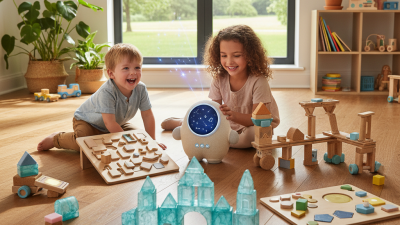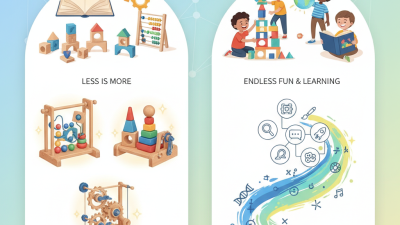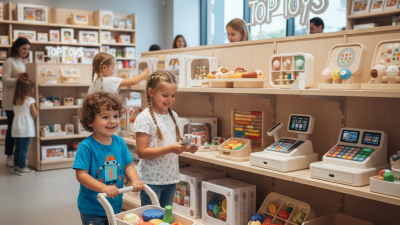
Little toys may seem insignificant, but they play a vital role in a child's development. These small objects captivate young minds, sparking creativity and imagination. From tiny action figures to colorful blocks, each little toy carries the potential for learning and growth.
When children engage with little toys, they practice problem-solving skills. They learn to build structures or create stories with their imaginative play. The tactile experience of handling these toys enhances fine motor skills. Children often express themselves through play, reflecting their thoughts and emotions.
However, not all little toys are perfect for every child. Parents must consider age-appropriateness and safety. Sometimes, a toy can overstimulate or frustrate a child. Thus, selecting suitable little toys requires reflection. Ultimately, fostering a child's development through play means choosing the right tools for their journey.
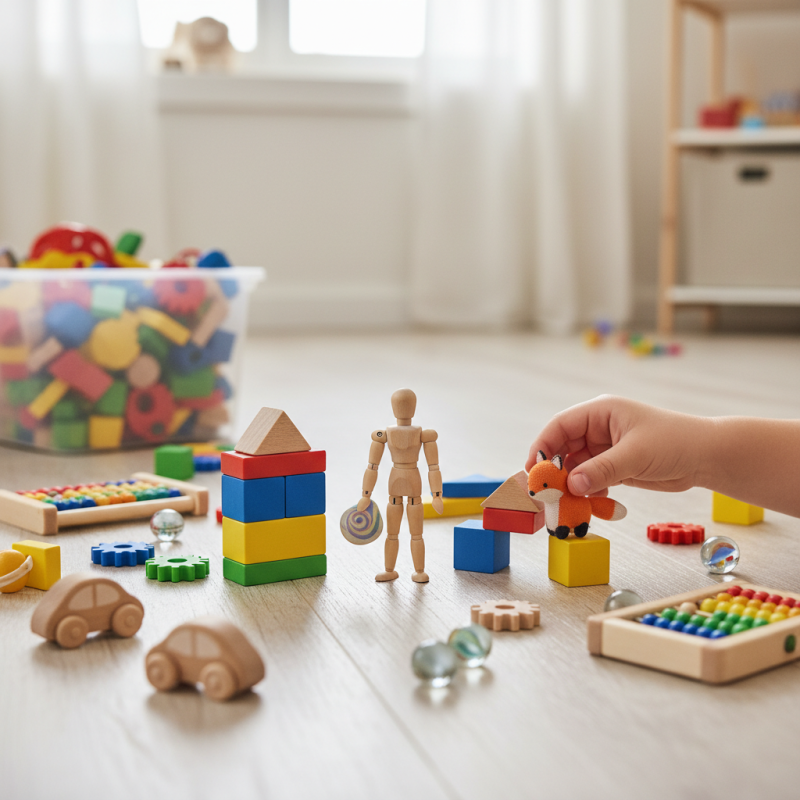
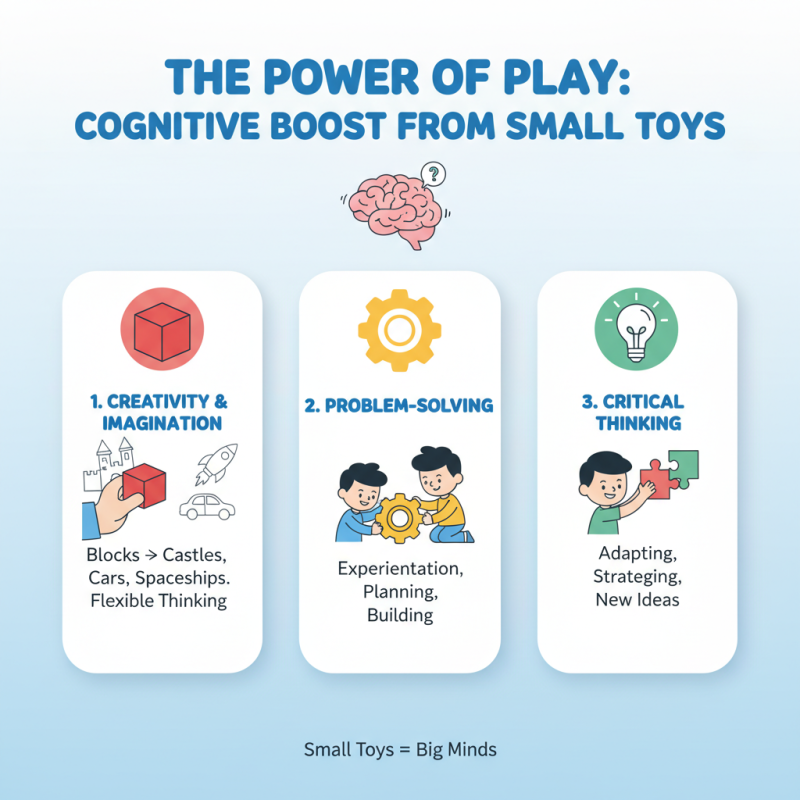
Small toys play a significant role in fostering children's cognitive development. These little objects can spark creativity and imagination. A simple block can become a castle, a car, or even a spaceship in a child’s eyes. This flexible thinking is essential for problem-solving skills later in life.
When children manipulate small toys, they practice fine motor skills. Tiny pieces challenge their dexterity. Imagine a child struggling to fit a puzzle piece, feeling puzzled and then thrilled when it fits. Each attempt teaches persistence. Small toys also encourage social interaction. Children trade pieces and negotiate play scenarios, learning to communicate and collaborate.
However, not every child responds the same way to small toys. Some might feel overwhelmed by choices. Others may take longer to engage. It’s important for caregivers to observe and adapt. Noticing these behaviors can make a difference. Engaging with small toys requires patience and understanding, but the rewards in cognitive growth are invaluable.
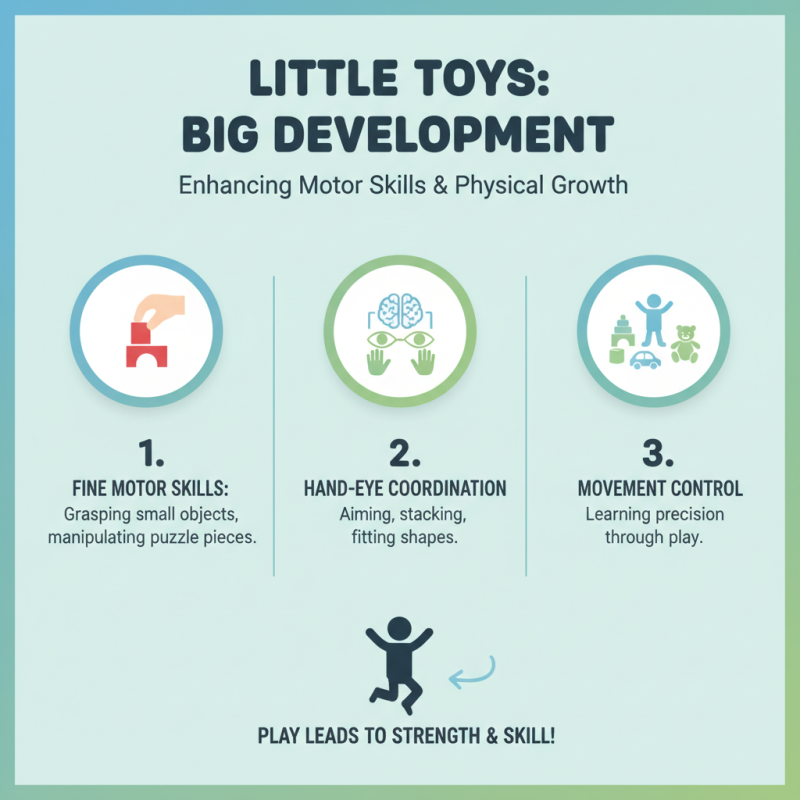
Little toys play a vital role in enhancing motor skills and physical development in children. When children interact with small toys, they engage in activities that strengthen their hand-eye coordination. For instance, grasping tiny blocks or manipulating puzzle pieces can sharpen fine motor skills. This engagement often looks chaotic, with toys scattered everywhere. But through this mess, children learn to control their movements.
As they stack blocks or fit shapes together, they practice their dexterity. Each time they succeed or fail, they refine their techniques. Sometimes, frustration arises when a piece doesn’t fit as expected. These moments, however, are crucial learning opportunities. They teach persistence and problem-solving skills.
Movement is also stimulated through play. Small toys encourage crawling, reaching, and walking. Children stretch and bend, developing their muscles and balance. It’s fascinating to see a child’s determination when they aim to reach a toy just out of reach. Yet, it’s essential to note that not every interaction is beneficial. Supervision is necessary, as some small pieces can pose safety risks. Reflecting on these aspects can help caregivers facilitate safer play environments.
Imaginative play with small toys plays a vital role in developing social skills. Children often use these toys to create scenarios that mimic real-life situations. They might enact a grocery store, where one child is the cashier and another is the customer. In doing so, they learn to communicate, share, and negotiate. It’s in these playful moments that they practice empathy. They begin to understand different perspectives, even if they don’t always get it right.
Small toys also encourage teamwork. When children play together, they sometimes disagree. This is normal. They might argue over who gets to use a particular toy. However, navigating these conflicts helps them learn to cooperate. They find ways to compromise and reach solutions. This trial and error teaches resilience. It’s okay to make mistakes; what matters is the ability to adapt.
Interacting with peers in imaginative play fosters crucial social skills. Children learn to express themselves clearly, even if their words are sometimes jumbled. The laughter and occasional tears are part of growth. Each play session offers lessons, both big and small, about relationships. These experiences shape their understanding of social norms, paving the way for their future interactions.
The Impact of Imaginative Play with Small Toys on Social Skills
Tiny toys play a crucial role in children's emotional development. Small figures and items encourage kids to engage in imaginative play. This form of play helps children express their feelings. A study by the American Academy of Pediatrics found that play allows children to process emotions better.
When children play with small toys, they create scenarios. These scenarios mirror real-life situations. For instance, a child might simulate a family dinner or a trip to the zoo. Such activities promote empathy as they begin to understand different perspectives. According to research, children who engage in pretend play show higher levels of emotional intelligence.
Tips: Encourage your child to explore different scenarios with tiny toys. Ask questions about their stories. This promotes deeper thinking and emotional clarity. Provide a variety of tiny toys, such as animals, people, or vehicles. Each type can inspire different emotions and play styles. Allow children to play freely, even if their scenarios seem odd. Understanding their thought processes is essential for emotional growth.
When considering small toys, safety is a prime concern. A report by the American Academy of Pediatrics states that small toys can pose choking hazards for children under three years old. They recommend that toys should be larger than a child's airway to minimize risk. Keeping this in mind, parents should always check age recommendations on toy packaging. This simple step can prevent accidents during play.
Age appropriateness matters significantly in child development. Toys meant for older children often include small parts unsuitable for toddlers. A study by the Consumer Product Safety Commission found that 25% of injuries related to toys involved small components. These figures highlight the need for vigilance. It isn’t enough to assume a toy is safe based on appearance alone. Regularly inspecting toys for damage is also crucial, as worn toys can easily become hazardous.
Playtime should be both enjoyable and safe. Small toys can enrich a child's imagination but also necessitate caution. Parents need to create a safe play environment. Understanding how to balance fun with safety is an ongoing challenge. Every choice matters, and awareness can make a significant impact on a child's safety.
| Toy Type | Age Group | Safety Rating | Developmental Benefits |
|---|---|---|---|
| Building Blocks | 3-5 years | High | Enhances motor skills and creativity |
| Small Action Figures | 4-7 years | Medium | Encourages imaginative play and storytelling |
| Miniature Animal Figurines | 3-6 years | High | Promotes understanding of ecology and biodiversity |
| Puzzle Pieces | 2-5 years | High | Develops problem-solving skills and spatial awareness |
| Toy Cars | 3-6 years | Medium | Enhances fine motor skills and hand-eye coordination |