Shopping for toys can be overwhelming. The choices seem endless, yet not all toys are created equal. Every parent wants the best for their kids, but how do you choose wisely? Understanding what to look for in shopping toys is crucial.
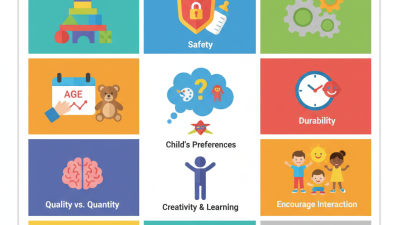
Consider age appropriateness. Not all toys suit every age group. Selecting toys that fit your child’s developmental needs can enhance their learning experience. Safety is also key. Always check for non-toxic materials. Remember, what looks fun may not always be safe.
Let’s not forget about durability. Kids can be rough with their toys. A well-made toy can withstand the test of time. Be cautious about trends. Some popular toys are not as educational as they seem. Reflect on what truly benefits your child. The right toy can inspire creativity and promote learning. Happy shopping!
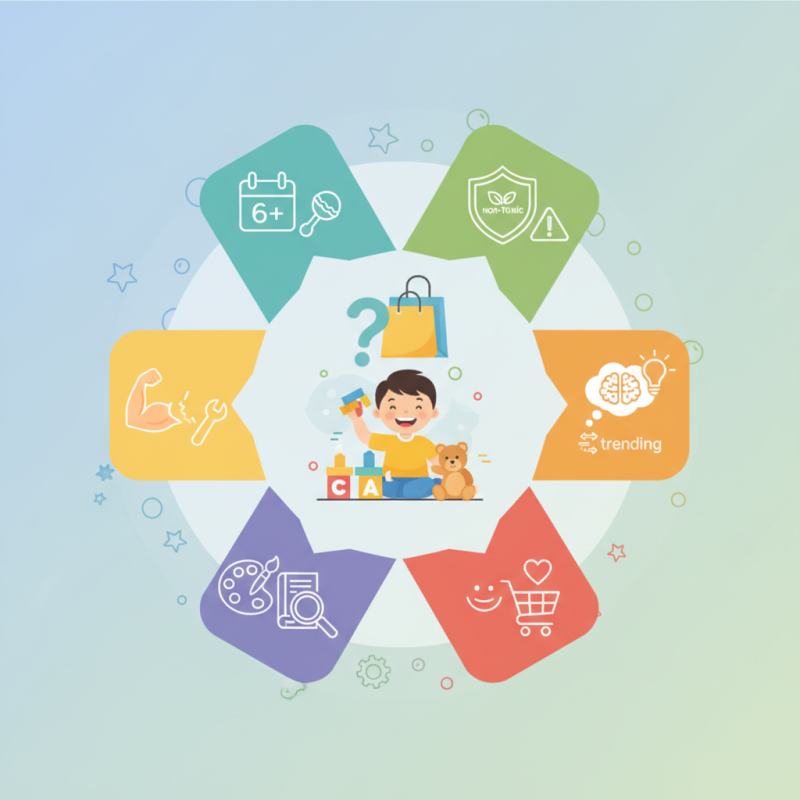
Understanding your child's age and developmental stage is crucial when choosing toys. Each age group requires different types of engagement. Infants enjoy bright colors and soft textures. They explore the world through their senses. A rattle can capture their attention, while plush toys offer comfort and security.
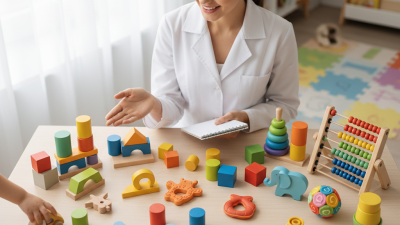
Toddlers and preschoolers benefit from toys that encourage imagination. Building blocks or simple puzzles help develop fine motor skills. At this stage, it's vital to consider safety. Small pieces can be a choking hazard. Interactive toys can support early learning, but it's essential not to overwhelm them with too many options. An array of choices might lead to confusion rather than enjoyment.
As children grow, their preferences will shift. School-aged kids begin to show interests in specific themes or characters. They often seek toys that reflect their passions. However, a common mistake is to ignore their input. Listening to your child's preferences ensures more meaningful playtime. Reflecting on these choices can help foster an environment that nurtures your child’s creativity and exploration.
When choosing toys for kids, safety should be a top priority. Many parents overlook materials used in toys. Toys made from safe and durable materials can prevent injuries. Look for non-toxic plastics and soft fabrics. These materials are less likely to cause harm during play. Check for labels indicating safety standards.
Consider the lifespan of the toy as well. Some toys may degrade after a few uses. This can create potential hazards. For example, small parts might break off, leading to choking risks. Look for sturdy construction. Toys with solid seams or no easily removable parts can last longer.
Sometimes, it's hard to make the right choice. A toy might seem safe but still pose risks. It’s wise to read reviews. Other parents can share their experiences. Reflect on past purchases; some might not have worked out well. Remember, safety and durability should guide your decisions in selecting toys.
| Tip Number | Shopping Tip | Material Safety | Durability | Age Appropriateness |
|---|---|---|---|---|
| 1 | Check for non-toxic materials | BPA-free plastics, lead-free paints | High-quality, shatter-resistant materials | 2+ |
| 2 | Avoid small parts for younger kids | Check for age recommendations | Durable construction to withstand rough play | 0-3 |
| 3 | Look for certifications (e.g., ASTM, EN71) | Compliance with safety standards | Reinforced seams and sturdy attachments | 3+ |
| 4 | Choose washable toys | Machine washable or easy to clean | Resistant to wear and tear | All ages |
| 5 | Assess the toy's educational value | Natural, eco-friendly materials preferred | Built to last through multiple children | 3+ |
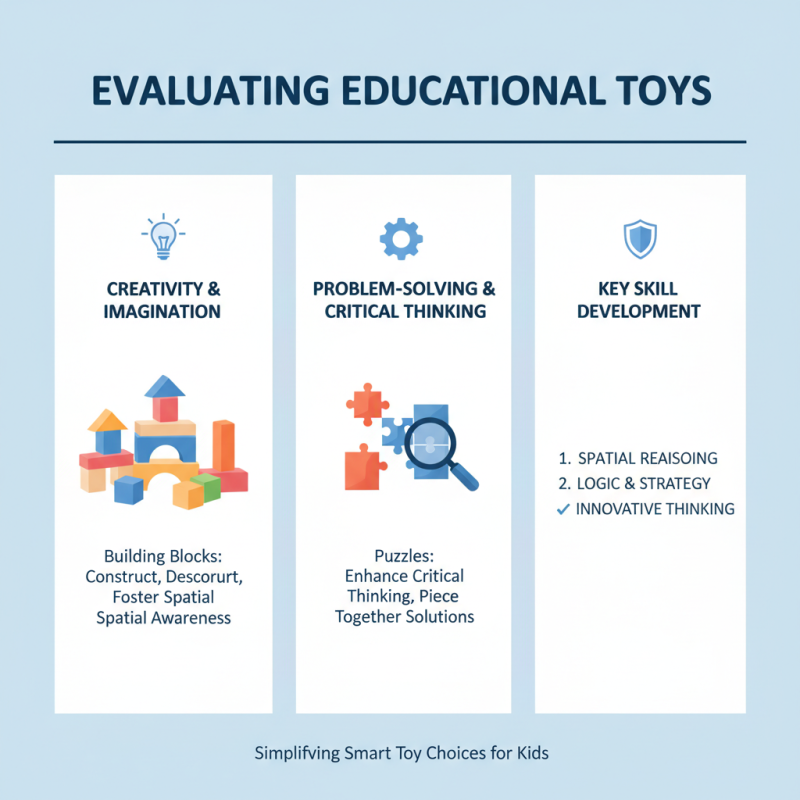
When selecting toys for kids, educational value is crucial. Look for toys that inspire creativity and problem-solving skills. Simple building blocks can spark imagination. They allow children to construct and deconstruct, fostering spatial awareness. Puzzles are another great option. They enhance critical thinking as kids figure out how pieces fit together.
Skill development is just as important. Toys like art supplies encourage fine motor skills. Kids can explore colors and textures, creating masterpieces. Consider toys that promote social interaction, like board games, which teach cooperation and patience. However, not all toys will hit the mark. Some might be too advanced or simplistic, leading to frustration or boredom.
Reflecting on your choices is essential. Evaluate if the toy truly engages your child's interests. A toy that collects dust is not worth the investment. Balancing fun and educational value can be tricky. However, finding that sweet spot can lead to a more enriching play experience.
When choosing toys for your children, budget is often a major factor. It's tempting to select the latest and flashiest option. However, it’s crucial to look beyond the initial cost. Think about the long-term value of each toy. A well-made toy may last for years, while cheaper options might break quickly and require replacements. This is where reflection comes in. Will you spend more upfront for durability?
Consider educational value as well. Toys that engage your child’s imagination or develop skills can be worth the investment. For instance, a simple building set may inspire creativity without needing constant updates. On the other hand, trendy, electronic toys might lose their charm quickly. It’s frustrating when kids lose interest after a few days.
Also, think about how often your child will actually use the toy. It's easy to get caught up in excitement and buy items that won’t see the light of day. A thoughtful purchase can bring joy for years. By focusing on budget and long-term value, you create a meaningful toy selection without regret.
When choosing the best toys, rely on detailed reviews from parents and experts. A recent study revealed that 78% of parents read reviews before making a purchase. This approach helps to understand the benefits and drawbacks of a toy. Quality insights can save time and money, ensuring you select the best option for your child.
Researching online can be overwhelming. Look for websites dedicated to toy reviews, as they often compile opinions from various sources. Pay attention to comments about durability and educational value. Did you know that toys promoting STEM skills are gaining popularity? Experts encourage parents to focus on toys that foster creativity and problem-solving.
Tip: Create a list of must-have features for your child’s toys. This will guide your research and comparison. Feedback from other parents can highlight aspects you might overlook. Remember, not every toy will suit every child. Keep an open mind. Some toys may not live up to your expectations. Reflect on your child's interests and play style for the best results.