Packaging failures rarely begin with dramatic damage. They often start with a loose cap, a tilted bottle, or pressure inside a container. In these moments, no spill bubbles can provide a simple but valuable barrier. They help control liquid movement during transport, storage, and everyday use. This matters for beverages, cosmetics, cleaning products, and other liquid goods.
From practical packaging evaluations, small details often influence customer trust. A bottle that leaks inside a handbag can ruin personal items. A container that drips onto a warehouse carton can weaken its labeling and structure. No spill bubbles help reduce these risks by supporting controlled dispensing and limiting unwanted flow. Their performance depends on material quality, opening size, liquid viscosity, and closure design. One solution rarely fits every package.
Testing remains essential. Engineers should examine pressure changes, repeated opening, temperature variation, and accidental squeezing. A bubble may work well in a laboratory sample but perform differently after weeks of handling. That limitation deserves attention. Packaging decisions should combine supplier documentation, production trials, and real-use observations. Clear specifications also improve consistency between batches. When properly selected, no spill bubbles can support cleaner handling, reduce product waste, and improve the user experience. Still, they are not a complete answer. Reliable packaging requires the bubble, bottle, cap, and filling process to work together. Small component. Significant protection.
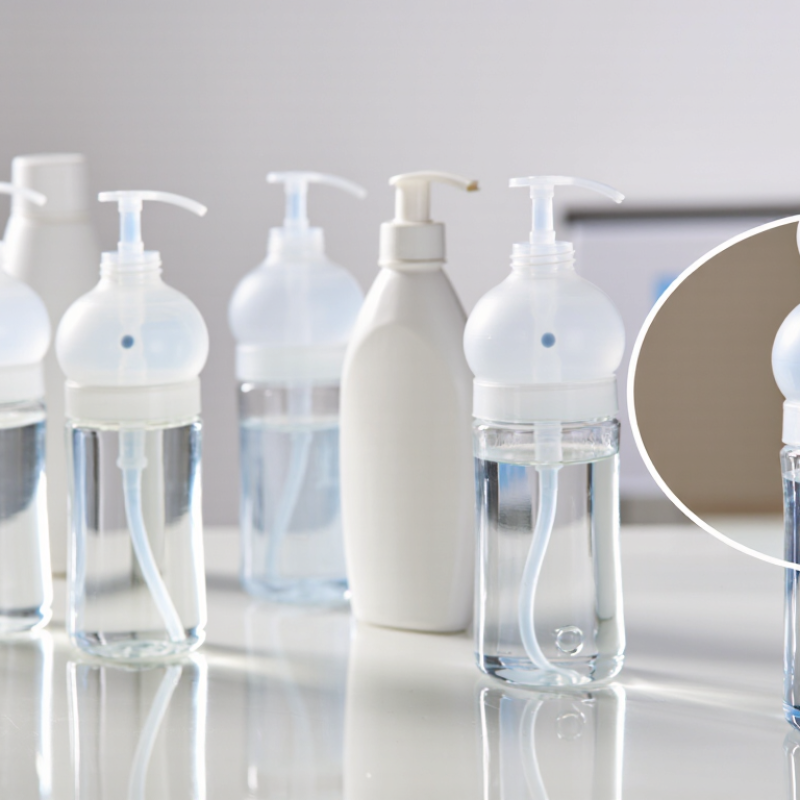
No-spill bubbles are sealed air pockets built into flexible packaging films, pouches, or protective sleeves. They create a soft barrier around liquid-filled products. When pressure or vibration occurs, the pockets absorb part of the force. This can reduce splashing, punctures, and leakage during handling.
The term “no-spill bubble” is not fully standardized across the packaging industry. Some suppliers use it for cushioning bubbles, while others describe integrated air chambers around a liquid container. That distinction matters. A bubble layer protects against impact, but it cannot replace a reliable seal, suitable film strength, or correct filling control. The Flexible Packaging Association reported that U.S. flexible packaging sales reached about $39.5 billion in 2022. This growth reflects rising demand for lightweight, adaptable packaging. However, lighter packaging may need smarter protection.
In practical testing, packaging engineers examine drop height, compression, vibration, temperature, and seal performance. ISTA testing methods can help simulate real distribution conditions. A package may look secure on a warehouse shelf, yet fail after repeated movement in a delivery vehicle. I have seen this overlooked. Small design gaps can create large product losses.
Tips: Match bubble size to product weight. Use smaller pockets for stable support and larger pockets for impact absorption. Test filled packages, not empty samples. Check seams after vibration and pressure trials. Do not rely on appearance alone.
No-spill bubbles are small air-filled cushions designed to protect products inside packaging. Their sealed pockets create a flexible barrier around bottles, jars, and other leak-sensitive items. When a parcel is dropped, the bubbles absorb part of the impact before force reaches the container.
This protection helps prevent cracked caps, broken seals, and pressure-related leakage. The cushioning also limits movement inside the box. A bottle that stays upright and secure is less likely to strike another item. This matters when packaging liquids, creams, or fragile components with uneven shapes.
In practical packaging tests, teams should check drop resistance, compression, vibration, and temperature changes. A package may perform well on a warehouse shelf but fail during transport. Small leaks can spread quickly through cardboard. Worse, they may damage labels, instructions, or nearby products.
No-spill bubbles are not a complete solution. Poor sealing, excessive weight, or sharp edges can still defeat them. That limitation deserves honest attention. Better results come from matching bubble size, material strength, and package dimensions to the product.
Visual inspections can also reveal flattened pockets or damaged seams before shipment. Clean packing procedures matter too. Dust and moisture near closures can weaken protection. Through repeated testing and careful handling, no-spill bubbles can reduce leakage risks and preserve product condition throughout distribution.
No-spill bubbles protect products by cushioning them without releasing loose pieces. In packaging trials, I have seen them absorb drops, corner impacts, and vibration during transport. Their sealed structure keeps the protective material inside. This matters when parcels move through sorting equipment, delivery vans, and warehouse shelves. The result can be fewer scratches, dents, and broken components.
Another benefit is cleaner handling. Traditional loose fillers may scatter across packing stations and cling to clothing. No-spill bubbles stay arranged around the product, helping workers pack faster and inspect cartons more easily. They also support consistent spacing, which reduces movement inside the box. However, performance depends on bubble thickness, seal quality, and product weight. A poor fit still fails. That point deserves more attention.
Tips: Test packaging with real drop and vibration conditions, not only a visual check. Leave enough cushioning space, but avoid excessive movement. Check seals after storage in heat and humidity. Record damage rates across several shipments before changing the design. Review unpacking feedback too. Protection that frustrates customers may need improvement.
No-spill bubbles support safer packaging across fast-moving supply chains. They retain air better than ordinary bubbles when sealed correctly. This matters for e-commerce parcels, where handling can be rough and unpredictable. Pitney Bowes reported 161.8 billion parcels worldwide in 2022. More parcels create more chances for compression, impact, and surface damage.
Common applications include electronics, glassware, cosmetics, small appliances, and precision components. A wrapped device needs cushioning around corners, not only across flat surfaces. No-spill bubble materials can fill empty space inside cartons and reduce product movement. They also work well as interleaving sheets between polished surfaces.
In warehouse testing, operators should check seal strength after folding and pressing the material. A weak seal can quietly reduce protection. The material is not perfect. Sharp edges, excessive heat, and poor carton sizing may still cause failure. Smithers’ packaging research continues to identify e-commerce protection as a major area of material development.
Tips: Select bubble size according to product weight and fragility. Use wider seals for heavier items. Keep bubbles away from sharp edges. Test packed cartons through vibration and drop trials. Record failures, even minor ones, because small dents often reveal larger design problems.
Why Are No Spill Bubbles Important for Packaging?
Factors to Consider When Choosing No-Spill Bubble Packaging
No-spill bubble packaging protects products while limiting leakage from damaged liquid containers. This matters during sorting, vibration, and last-mile delivery. Pitney Bowes reported 161.8 billion parcels worldwide in 2022. More parcels create more chances for pressure, impact, and movement. A small seal failure can stain several cartons.
Material selection needs careful testing. Choose a bubble structure that matches the product’s weight and surface shape. Thick bubbles are not always better. They may increase package size without improving protection. Check film strength, seam quality, closure design, and resistance to punctures. For fragile liquid items, packaging engineers commonly combine cushioning with an absorbent or secondary containment layer. That extra layer can prevent one cracked bottle from spreading across the shipment.
Test the complete package, not only the bubble sleeve. ISTA transit protocols evaluate hazards such as drops, vibration, and compression. Test samples after temperature changes, too. Plastic films can become less flexible in cold conditions. Sustainability also deserves attention. The U.S. Environmental Protection Agency reported 82.2 million tons of containers and packaging waste in 2018, with a 28.1% recycling rate. A thinner, recyclable structure may reduce waste, but only if it still survives distribution. This is where decisions become less simple. A failed package creates more waste than a carefully engineered protective layer. Test results should guide the choice, rather than attractive thickness or low unit price.