Choosing a supplier online takes more than a quick glance at colorful product photos. For global buyers, a useful toy website should make essential details easy to find: product dimensions, materials, age guidance, order quantities, and shipping options. Clear photographs help, but close-ups of seams, packaging, and small components can reveal more. So can a prompt, specific response from the seller.
This guide introduces ten toy websites worth exploring for different sourcing needs. Some may suit buyers seeking established brands; others may offer broader catalogs or direct manufacturer access. Compare minimum order quantities, sample policies, payment terms, and estimated delivery times before making a decision. Ask for current product specifications and safety documentation relevant to your destination market. Requirements vary, so verify them independently rather than relying on a listing alone.
Look for consistent company details and realistic delivery promises. A low price is not the whole story. Neither is a polished homepage. Websites, prices, and stock can change, and an online listing cannot confirm product quality by itself. Request a sample when practical, and check that the delivered item matches its description. Small differences matter.
No ranking stays perfect forever. Treat these options as a starting point, not an endorsement or guarantee. A careful comparison can help you narrow the field, ask better questions, and choose a supplier that fits your product range, budget, and market.
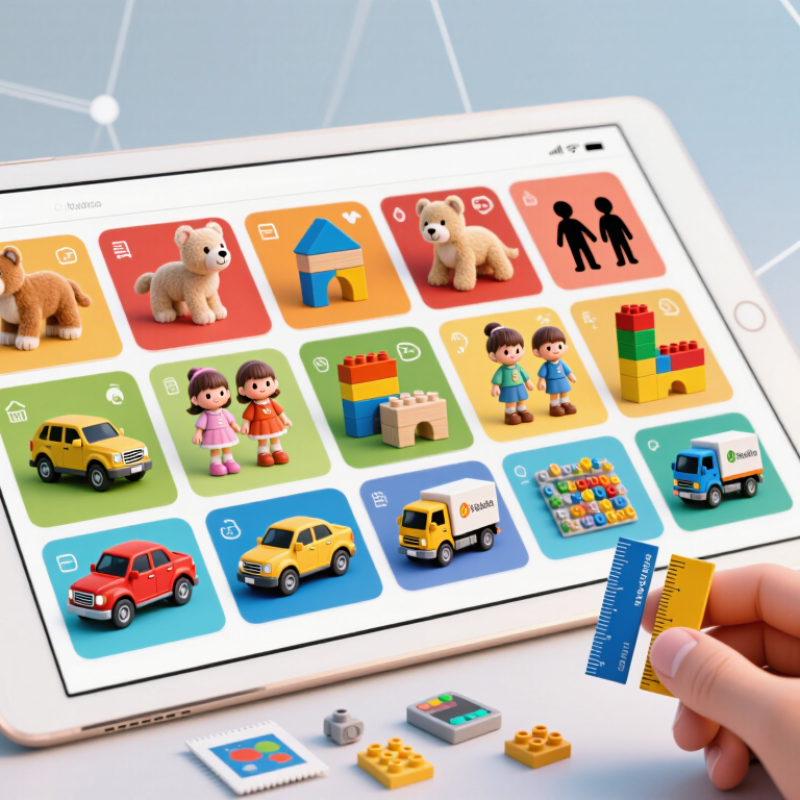
Toy websites connect buyers with products, suppliers, and practical information across borders. Their value is not just the size of a catalog. A useful listing shows materials, dimensions, age guidance, packaging details, and clear product photographs. Compare those details with sample units before placing a large order. A bright image can hide a rough seam or a small accessory that is easy to miss.
Global purchasing adds questions that local shopping may not raise. Check minimum order quantities, production times, shipping terms, and how the seller handles damaged goods. Ask for relevant safety and testing documents, then confirm that they match the exact product and destination market. Documents are useful evidence, not a guarantee.
Keep messages and agreed specifications in writing; small wording differences can become costly. A well-organized website makes comparison easier, but the platform itself cannot remove every risk. Review seller history, response quality, and recent transaction details where available. Request a sample when the product’s finish or function matters. Even careful buyers can overlook something. I would also leave room in the schedule for delays, because international logistics rarely follow a perfect calendar.
A credible toy website makes verification easy, not decorative. Look for age grades, material details, dimensions, carton quantities, and dated test documents tied to the exact product. Ask whether reports cover the destination market and whether batch numbers can be traced. Details matter. A glossy photo cannot confirm material composition or small-part warnings.
UNCTAD’s Digital Economy Report 2024 estimates that e-commerce sales across 43 economies reached nearly US$27 trillion in 2022, about 60% above 2016. That scale makes cross-border purchasing routine, but vendor comparison can still be difficult. Check sample availability, minimum order quantities, production lead times, shipping terms, tracking, and responsibility for damaged cartons. The World Bank’s 2023 Logistics Performance Index assesses customs, infrastructure, international shipments, tracking, and timeliness. Apply those same practical questions to a seller’s delivery promises.
Before paying, check whether checkout explains currency, taxes, refund timing, and data handling. Read recent reviews describing packaging, delays, and product consistency. Trust needs evidence. A complete-looking page is not proof: test reports can be outdated, and reviews can be thin. Request a current sample and written answers, then compare them with the listing.
| No. | Evaluation Criterion | What to Check | Useful Evidence or Benchmark |
|---|---|---|---|
| 1 | Product Safety and Compliance | Check whether product listings identify the intended market and provide relevant safety documentation. | Requirements vary by destination. Examples include ASTM F963 and the Consumer Product Safety Improvement Act (CPSIA) in the United States, EN 71 in the European Union, and the ISO 8124 toy-safety series. |
| 2 | Age Grading and Warnings | Look for clear age recommendations, small-parts warnings, and instructions for safe use. | Warnings should match the product and the destination market; age suitability should not be inferred from product photos alone. |
| 3 | Product Specifications | Review materials, dimensions, weight, included components, packaging details, and care instructions. | Complete, consistent specifications help buyers compare products and assess shipping, storage, and merchandising needs. |
| 4 | Supplier and Product Traceability | Check whether the seller can identify the manufacturer, production lot, and relevant product documentation. | Traceable records support quality investigations, product recalls, and compliance checks. |
| 5 | Order Quantities and Pricing | Confirm minimum order quantities, volume pricing, sample availability, and any setup or customization charges. | Prices and minimum quantities should be stated with their currency, order basis, and applicable conditions. |
| 6 | Shipping and Delivery Information | Check available shipping destinations, dispatch estimates, freight options, and responsibility for import duties. | International delivery times and costs depend on destination, shipping method, customs processing, and the agreed trade terms. |
| 7 | Payment and Buyer Protection | Review accepted payment methods, payment timing, refund terms, and procedures for resolving order disputes. | Payment protections and dispute options depend on the payment provider, transaction terms, and buyer location. |
| 8 | Returns, Defects, and Warranty | Check the stated process and deadlines for reporting damaged, incorrect, or defective goods. | Clear written policies should explain evidence requirements, return shipping responsibility, and available remedies. |
| 9 | Communication and Support | Assess whether the seller provides reachable support, clear response channels, and help with product or order questions. | Confirm business hours, supported languages, and expected response times before placing a large order. |
| 10 | Website Transparency and Usability | Check that product details, business contact information, policies, and checkout terms are easy to find and consistent. | Secure checkout, clear terms, and accessible policy information make it easier to evaluate a seller before purchase. |
For global buyers, the top 10 toy websites are not automatically the ten with the biggest catalogues. Compare product details, minimum order quantities, shipping estimates, payment options, and return terms before ordering. Clear photographs help, but dimensions and age guidance matter more when a shipment crosses borders. Small details count.
Market conditions make price comparisons useful. Circana reported that toy sales across 12 major markets fell 1% in 2024, while average selling prices rose 3%. UNCTAD estimated global e-commerce sales at nearly $27 trillion in 2022 across 43 economies. That figure includes business-to-business trade, not just toy retail. These reports provide context, but they cannot confirm an individual seller’s reliability.
Before paying, request a dated quotation that separates item costs, freight, and any additional charges. Check whether product specifications match the photos, and save written answers about stock and delivery windows. A polished listing can still conceal a slow returns process. I would treat unusually low prices as a prompt to ask more questions, not as proof of a bargain. Even careful checks have limits.
A useful comparison of ten toy websites starts with product range, not headline discounts. Check whether each site offers clear age guidance, materials, dimensions, and current stock. A wooden puzzle may look compact in a photo, yet its box can be large enough to affect delivery cost. Look for varied play types and replacement parts, too. A broad catalogue is helpful, but vague descriptions make careful selection harder.
Compare the final price in your currency, including delivery and any stated import charges. Shipping pages should name your destination, give a realistic delivery window, and explain tracking, damage claims, and returns. A low listed price can lose its appeal when postage appears at checkout. Policies differ. Save a screenshot of the product details and delivery estimate before paying; I have found that checkout totals can be easy to overlook.
Tips: Compare the same toy category across sites, then note price, stock, delivery time, and return terms in a small table. Check package dimensions for bulky items. If a shipping estimate is missing, ask support before ordering; unclear details are a reason to pause, not guess.
A proposed comparison framework for assessing product range, pricing, and international shipping. The percentages show suggested evaluation weights—not measured results for specific websites.
Use the same product category, order quantity, and destination when comparing websites. Check shipping fees, delivery estimates, minimum order quantities, and applicable import charges before purchasing.
A useful toy website makes product details easy to verify, not just attractive to browse. Check material descriptions, age guidance, dimensions, packaging photos, and available test documents. Compare these details with the requirements in your destination market; expectations can differ by product and location. If information is missing, ask before placing a large order. A quick, specific reply is more useful than a glossy catalog.
Tips: Request current safety and quality documents for the exact product, and confirm what each document covers. Order samples when possible. Inspect seams, paint finish, small parts, and packaging labels under ordinary handling. Also check minimum order quantities, production timelines, shipping terms, and how defects are handled. Keep written confirmations with your order records.
A polished website can still leave gaps. I would not treat a neat catalog as proof of reliable supply. Look for clear company contact details, consistent product specifications, and realistic delivery estimates. Ask whether the supplier can maintain the same materials and finish across repeat orders. Small mismatches matter: a box size that differs from the listing can affect freight costs, while unclear age guidance can create avoidable problems for retailers.