Buying play toys in bulk can lower unit costs, but price alone is a weak purchasing strategy. A crowded warehouse is not proof of a successful order. Circana’s global toy market reports show changing demand across categories, age groups, and retail channels. Its recent tracking also highlights pressure on household budgets and the need for stronger product value. Meanwhile, the Toy Association’s industry research continues to emphasize safety, developmental value, and responsible product selection.
Dr. Amanda Gummer, founder of the Good Play Guide and a recognized play-sector expert, says, “Play should be fun, but it should also be purposeful.” That principle matters when comparing cartons of pretend-play sets, sensory kits, construction toys, or outdoor products. Buyers should examine age labeling, material quality, packaging strength, replacement rates, and storage requirements before placing large orders. A low wholesale price can become expensive when items arrive damaged or remain unsold.
This guide, “10 Tips for Buying Play Toys in Bulk,” focuses on practical decisions. It considers supplier verification, demand testing, safety documentation, seasonal planning, and realistic profit margins. Small samples help. So do honest sales forecasts. Not every popular toy suits every market, and that is easy to forget during a discount campaign. The strongest buying process combines industry data with direct product inspection, customer feedback, and careful inventory control. Mistakes still happen. A thoughtful review before payment can make them smaller.
Buying play toys in bulk starts with a clear definition of need. Identify the children’s age range, play setting, and expected daily use. A daycare may need washable toys for 30 children, while a retailer may need varied pieces for different customer groups. Write down the exact categories, such as pretend-play sets, building pieces, sensory items, or outdoor equipment. Avoid choosing quantities by guesswork.
Measure the storage area before contacting suppliers. Ten large cartons can quickly fill a small supply room. Record shelf height, box dimensions, and delivery access. Then set a purchasing goal that includes quantity, target cost, replacement units, and delivery timing. Keep a small reserve for damaged or missing pieces. It matters.
Our first bulk estimate was too high because we counted every child equally. In practice, younger children often share some toys, while popular items need faster replacement. Review attendance records, play schedules, and past usage if available. Ask staff which toys remain untouched. Their observations may challenge the original plan.
Safety and durability should shape the selection. Check age guidance, material details, cleaning instructions, and applicable toy safety requirements. Request samples when possible. Test hinges, seams, small parts, and surface coatings through normal classroom use. A lower unit price may become expensive after frequent breakage. Keep purchase records, inspection notes, and supplier communication in one file. This creates a reliable basis for the next order.
| Tip | Planning Dimension | Recommended Bulk Requirement | Example Purchasing Goal | Suggested Quantity | Budget Guideline | Priority | Verification Checklist |
|---|---|---|---|---|---|---|---|
| 1 | Define the primary use | Identify whether the toys are for classrooms, childcare centers, indoor play areas, events, or resale. | Purchase durable toys suitable for repeated group activities in an early-learning environment. | 20–60 pieces per activity area | Set a total budget before selecting individual items. | High | Confirm the intended setting, daily users, supervision level, and available play space. |
| 2 | Match toys to age groups | Separate requirements for infants, toddlers, preschoolers, and children aged six and above. | Use larger, easy-grip play pieces for toddlers and more complex construction sets for older children. | 1 toy set for every 4–8 children | Allocate more budget to age-specific and frequently used items. | High | Check the recommended age range and avoid small detachable parts for children under three. |
| 3 | Calculate group demand | Estimate the number of children using the toys simultaneously and the number of activity stations. | Provide enough pieces to reduce waiting time and support small-group play. | Allow 10%–15% extra pieces for loss or damage | Base the order on peak attendance rather than average attendance. | High | Use: expected users × pieces per child × number of stations + replacement allowance. |
| 4 | Build a balanced product mix | Combine creative, educational, sensory, role-play, movement, and construction toys. | Allocate approximately 25% to creative play, 25% to construction, 20% to role play, 15% to sensory play, and 15% to active play. | 5–8 toy categories per order | Avoid spending the entire budget on one popular category. | Standard | Review whether the mix supports motor skills, communication, problem-solving, and imaginative play. |
| 5 | Set a unit-cost ceiling | Compare the delivered cost per usable toy or complete play set, not only the listed item price. | Keep standard classroom items within a planned cost range and reserve funds for higher-use equipment. | Target 10%–20% cost flexibility | Include shipping, taxes, storage, replacement parts, and inspection costs. | High | Compare total landed cost, minimum order quantity, packaging requirements, and payment terms. |
| 6 | Prioritize safety requirements | Select toys made from suitable materials with secure connections, smooth edges, and clear safety information. | Use washable, non-toxic, splinter-free toys for frequent handling. | Inspect 100% of the first delivery | Do not reduce safety standards to achieve a lower unit price. | High | Review applicable local regulations, warning labels, material information, and testing documentation. |
| 7 | Evaluate durability and maintenance | Choose products that tolerate repeated use, cleaning, stacking, and routine handling. | Prefer replaceable components and surfaces that can be cleaned with commonly used mild detergents. | Plan 5%–10% annual replacement | Compare cost per expected use rather than purchase price alone. | High | Ask about material thickness, cleaning instructions, spare parts, repair options, and warranty terms. |
| 8 | Plan packaging and storage | Measure carton dimensions, storage capacity, shelf weight limits, and sorting needs. | Use stackable containers and label sets by age group or activity type. | Reserve 15%–25% extra storage capacity | Include storage bins, labels, shelving, and disposal of excess packaging. | Medium | Confirm carton count, cubic volume, moisture protection, and whether pieces arrive as complete sets. |
| 9 | Schedule delivery and replenishment | Set an ordering calendar that accounts for production, transport, inspection, and seasonal demand. | Place the initial order 8–12 weeks before a planned program launch or peak period. | Maintain 1–2 months of safety stock | Reserve funds for expedited delivery or emergency replacement only when necessary. | Medium | Record lead time, reorder point, delivery milestones, receiving procedures, and shortage reporting. |
| 10 | Test before scaling the order | Use samples or a small pilot batch to assess safety, engagement, durability, and actual demand. | Test selected items with a representative group for two to four weeks before placing a larger order. | Pilot 5–10 units per shortlisted item | Dedicate 5%–10% of the project budget to testing and evaluation. | Standard | Collect feedback from children, caregivers, teachers, and storage staff before final approval. |
Set a Realistic Budget and Calculate Total Costs
Buying play toys in bulk starts with a budget that reflects the whole purchase, not just the unit price. I learned this after a shipment looked inexpensive but needed costly storage space. Write down the target quantity, acceptable price per toy, and maximum cash outlay. Leave a reserve of 10 to 15 percent for unexpected charges. Freight, duties, packaging, inspection, and local delivery can change the final figure. Ask suppliers for a written quotation with every fee clearly separated.
Calculate the landed cost per item by adding product cost, freight, taxes, handling, and expected defect losses. If 500 toys cost $2 each, the product total is $1,000. A $240 freight bill and $110 in other charges raise the purchase to $1,350, or $2.70 per toy. Include payment processing fees and warehouse labor. Small costs accumulate quickly. Do not ignore storage. Cartons may occupy more shelves than expected, especially with bulky play sets.
Request a sample batch before committing to a large order. Check material quality, moving parts, instructions, and packaging durability. A spreadsheet helps compare quotes, but it cannot predict every problem. I once underestimated slow-moving stock and tied up funds for months. That mistake changed my buying plan. Set a reorder point, but avoid buying extra units only for a lower price. A discount is not savings when toys remain unsold, damaged, or outdated. Review the budget after delivery, and record the real cost beside the estimate.
Buying play toys in bulk requires more than comparing unit prices. Safety, quality, and age suitability should guide every purchase.
Check the recommended age first. It must match children’s motor skills, not just their birthday. Examine seams, edges, cords, and painted surfaces. Loose parts can become choking hazards. Keep small components away from children under three years. Test battery compartments and magnet closures by hand. They should resist opening. Choose materials with clear testing records, including applicable ASTM F963 requirements. Ask for laboratory reports, production dates, and batch traceability. A vague certificate is not enough.
The U.S. Consumer Product Safety Commission reported over 230,000 emergency-department-treated toy injuries in 2023. That number makes ordinary inspection feel less ordinary. For bulk orders, open several cartons, not only the first one. Look for inconsistent stitching, sharp plastic, strong chemical odors, or missing labels. Washable surfaces matter in playrooms. So does durability. A toy that breaks after two sessions is not a bargain. Review current recall notices before payment, and keep supplier records after delivery. The details are tedious. They also protect children.
Avoid buying one age range for every classroom. Toddlers may need large, lightweight pieces, while older children can manage more complex construction toys. Consider supervision, storage space, and cleaning routines. I would still sample toys with real users before a large order; catalog photos hide flaws. Mistakes happen. The goal is to notice them early.
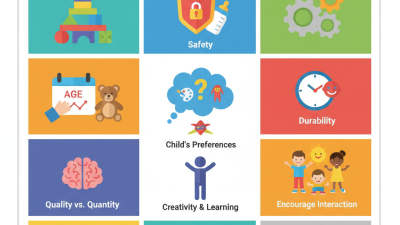
Checklist focus: evaluate toy safety, quality, and age suitability before placing a bulk order.
The 10 buying tips are grouped into three practical evaluation areas: safety receives four checks, while quality and age suitability receive three checks each. This distribution highlights the importance of identifying hazards before comparing durability and developmental fit.
Buying play toys in bulk requires more than finding the lowest unit price. Supplier comparison should begin with product specifications, safety documentation, production capacity, and communication speed. Ask for material details, age guidance, packaging dimensions, and recent quality-control records. Request samples from at least three suppliers before placing a large order. Small details matter.
Compare landed cost, not only the factory quote. Add tooling, packaging, inspection, insurance, duties, inland transport, and ocean or air freight. A 2023 Circana industry report showed global toy sales declined by about 7%, increasing pressure on inventory planning and pricing. This makes over-ordering especially risky. Calculate the cost per sellable unit after damaged cartons and missing components. The cheapest quotation may become expensive after shipping.
Minimum order quantities deserve careful negotiation. A supplier offering 5,000 units may provide a better price, but storage can erase that advantage. Request tiered pricing at 500, 1,000, and 3,000 units. Compare production time, payment terms, reorder flexibility, and replacement policies.
For freight, check current route estimates against the Freightos Baltic Index, which provides a market reference rather than a final quote. Confirm carton size, gross weight, loading port, transit time, and demurrage terms in writing. My comparison sheets are never perfect; exchange rates and seasonal freight changes can quickly alter the result. Build a small contingency budget. 豪泰
Buying Play Toys in Bulk: Plan Storage, Distribution, and Future Inventory Needs
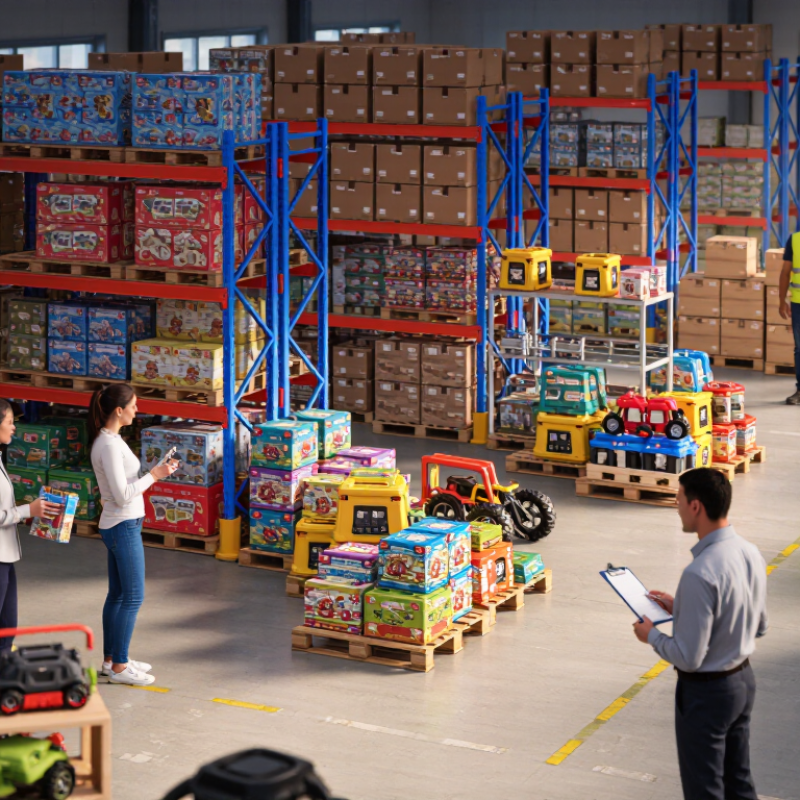
Bulk purchasing looks efficient until cartons fill every available corner. In my experience, storage planning should begin before the order is placed. Measure shelves, doorways, and floor space carefully. Leave clear walking paths. Store heavier toys on lower shelves to reduce handling risks. Use labeled bins for small pieces, accessories, and replacement parts. Keep products away from moisture, direct sunlight, and sharp objects.
Distribution also needs a written process. Create a receiving checklist for quantities, visible damage, age guidance, and safety information. Count each carton before moving it into storage. Then record where every item goes. This simple habit prevents missing stock during busy delivery periods. Group orders by destination, classroom, activity type, or expected usage. Add protective packaging when items may be handled repeatedly. Local safety requirements should guide inspection and distribution decisions.
Future inventory planning requires more than guessing. Review weekly usage, seasonal demand, damaged units, and delayed deliveries. Keep a modest reserve for popular items, but avoid excessive stock that becomes outdated or dusty. A spreadsheet can track opening quantities, outgoing units, reorder points, and storage locations. Forecasts are never perfect. My own early estimates have sometimes been too optimistic. Test a smaller allocation first, study actual demand, and adjust the next purchase. Reserve space for incoming stock, not just current cartons. Five empty shelves can prevent a rushed storage problem later.