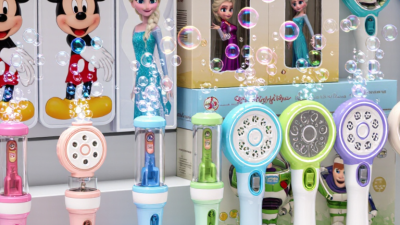
Choosing a Disney bubble wand in 2026 is about more than picking a favorite character. The right wand should feel comfortable in a child’s hand, make bubbles reliably, and suit the places your family plans to use it. A small detail matters: a heavy handle can become tiring before the parade even starts.
Product-selection specialist Maya Chen offers this practical rule: “Choose the wand your child can hold comfortably, not just the one with the brightest lights.” This is an original editorial quote for this guide, not a statement from Disney or a product manufacturer. It points to a useful balance: character design can delight, while grip, bubble output, and ease of use shape the experience.
Compare the wand’s size, refill needs, battery requirements, and cleaning instructions before buying. If possible, read current product details and recent customer reviews; models and included accessories can change. A wand that works well in a backyard may be less convenient in a crowded park. Tiny leaks matter, too. They can leave sticky spots on clothes or bags.
There is no perfect choice for every child. Some value lights and sounds; others want a steady stream of bubbles with fewer steps. I would not judge a wand by its photos alone. That is an easy mistake. This guide will help you weigh practical features, age fit, and value, so your disney bubble wand feels like part of the fun—not another thing to manage.

Bubble wands generally come in three types: manual, motorized, and light-up or sound-enabled. A manual wand uses a trigger or dipping loop, so it needs little setup and no batteries. It suits short play sessions, though bubbles may come out unevenly if the loop is overfilled. Motorized models release bubbles with a button press. Check how easily the refill reservoir opens; a narrow neck can make filling messy.
Simple can be better.
Light-up wands add color after dusk, while sound features may appeal to younger children but drain batteries faster. Look for a comfortable handle, a secure cap, and a clearly marked age range. If possible, hold the wand and test the button before buying. A heavy toy can tire small hands, even if it looks impressive on a shelf.
Check the seal. Leaks can leave sticky patches in a bag or on a car seat. Also check whether the wand uses standard batteries and whether replacement bubble solution is easy to find. Extra features do not always mean better play; sometimes they make cleaning and storage harder. Be honest about what the child will use, not just what catches the eye.
Choosing a bubble wand in 2026 works best when its design fits the user. For younger children, look for a lightweight handle, rounded edges, and a trigger that is easy to press. A wide grip can help small hands hold steady. Check the age guidance, and keep detachable parts away from toddlers. Older children may enjoy lights, sounds, or playful shapes, but extra features should not make the wand awkward to carry.
Interests matter, too. A child who enjoys pretend play may prefer a wand with a distinctive silhouette. For outdoor play, a sturdy handle and easy-to-refill reservoir can be more useful. Consider the setting: a compact wand is easier to manage at a crowded event, while a backyard offers room for larger bubbles. One detail is easy to overlook: wet plastic can feel slippery. A textured grip may help, though comfort still depends on the child’s hand.
Tips: If possible, test the trigger and balance before buying. Check that the solution tank opens easily and closes securely. Bring a cloth for drips, and supervise play near stairs, pools, or slick floors. Simple details matter.
A character-themed bubble wand should be judged by how it performs during an ordinary outing, not just by its colorful packaging. Bubble output depends on the number and placement of openings, the motor, and the bubble solution. A wand with several outlets may create a lively stream, but it can also use solution quickly. Check whether the reservoir is easy to fill and whether its opening is wide enough to avoid spills.
Battery needs can affect both cost and convenience. Some wands use replaceable batteries, while others recharge; check the product details before buying. For a long park visit, carry spare batteries if the model requires them. Short bursts can help conserve power and solution. Still, battery life varies with use, so treat advertised estimates as a guide, not a guarantee.
Ease of use matters when a child is holding the wand with slippery fingers. Look for a simple switch, a comfortable handle, and parts that are easy to wipe clean. A lighter model may be easier to carry, though it might feel less sturdy. Not a perfect trade-off. It is tempting to choose the wand that makes the biggest cloud, but a manageable refill and straightforward controls may make the outing smoother. Check age guidance and care instructions before use.
A bubble wand should feel safe before it feels exciting. Check the age guidance, rounded edges, and any small removable parts. The handle should sit comfortably in a child’s hand, without sharp seams or a loose battery cover. Check the seal. If the compartment opens easily, keep the wand away from young children and ask the seller about a replacement.
Durability depends on more than a sturdy-looking shell. Look for a firm wand neck, a stable solution tray, and buttons that do not stick after a few presses. Keep the toy dry between uses, and wipe away sticky residue before it builds up around moving parts. Small details matter. A thick plastic body can still crack after a hard drop, so inspect it regularly rather than assuming it will last all season.
Use only bubble solution listed as compatible with the wand, and follow its fill line. Some devices sputter when the solution is too thick or the tray is overfilled. Avoid adding soap or other ingredients; they may irritate eyes or clog the mechanism. Foam consistency is not a safety test, either. Keep bubbles away from faces, supervise play, and rinse skin or eyes with clean water if irritation occurs. Compatibility labels can be vague, so check the instructions before buying a refill.
Use this general buying checklist to compare bubble wands. Product features and solution requirements vary, so check the instructions and age guidance for the specific item before use.
| What to Check | Practical Guidance | Why It Matters | Quick Check |
|---|---|---|---|
| Age guidance and small parts | Read the age grading and warnings on the packaging. Keep small removable pieces away from children who may put them in their mouths. | Small parts can present a choking risk for young children. Age guidance helps caregivers choose an appropriate item. | Before purchase |
| Battery compartment | For a battery-powered wand, check that the compartment closes securely and that the instructions explain battery type, installation, and replacement. | A secure compartment helps limit access to batteries. Batteries can be harmful if swallowed or mishandled. | Safety check |
| Materials and edges | Look for a smooth handle and bubble ring, with no sharp edges, cracks, or loose parts. Check product warnings and applicable safety markings for your region. | Smooth, intact parts are more comfortable to handle and less likely to cause scratches during ordinary use. | Hands-on check |
| Build and moving parts | Inspect the wand, solution container, and any fan or rotating parts. Avoid items with loose fittings, leaking joints, or parts that bind during operation. | Secure construction can reduce spills and help the wand work consistently. Moving parts should be used as directed. | Durability |
| Bubble solution compatibility | Use the solution specified or recommended in the product instructions. Do not assume every wand works equally well with every bubble mixture. | Solution thickness and container design can affect bubble formation and how reliably a wand feeds liquid to its bubble ring. | Check instructions |
| Solution handling | Keep bubble solution out of mouths and eyes. If it gets in the eyes, rinse with clean water; follow the solution label for additional first-aid guidance. | Bubble solution is intended for making bubbles, not for eating or drinking, and may irritate eyes. | Adult supervision |
| Refill and spill control | Check whether the container is easy to fill without overfilling and whether it can be closed securely between uses. Use a level outdoor or easy-to-clean area. | A well-managed refill can reduce spills. Bubble solution may make floors and other smooth surfaces slippery. | Everyday use |
| Cleaning and storage | Follow the product instructions for rinsing and drying. Store the wand and solution closed, away from heat, and out of reach of young children. | Cleaning and correct storage help limit dried residue, leaks, and unsupervised access. | After use |
| Outdoor performance | For outdoor play, consider handle comfort, ease of carrying, and how easily the solution container can be refilled. Use bubbles away from roads, stairs, and slippery walkways. | Wind can affect where bubbles travel, while spilled solution can make walking surfaces slick. | Use setting |
| Overall choice | Choose a wand with clear instructions, a secure solution container, intact construction, and age guidance that suits the intended user. | Matching the item to the user and following its instructions are more reliable than choosing by appearance alone. | Final decision |
In 2026, availability can differ between online shops, park locations, and seasonal displays. Check a current product page or contact the seller before making a trip. Look for a recent stock update, the exact wand design, and whether batteries or bubble solution are included. A product photo alone is not proof that an item is available.
Prices may change with location, shipping, taxes, or bundled accessories. Compare the final checkout total, not just the price shown beside the photo. Check whether the seller lists a return window and explains what happens if an item arrives damaged. One detail is easy to miss. A low listed price may exclude delivery.
Before buying, confirm the wand’s size, age guidance, and care instructions from the listing or packaging. If purchasing in person, inspect the handle, trigger, and solution reservoir for cracks or loose parts. Online details can be incomplete, and availability pages may lag behind actual stock. That uncertainty is frustrating, so verify the details directly when possible. A few minutes of checking can help you choose a wand that fits your budget and plans.