Choosing a reliable phone toy manufacturer in China requires more than comparing colorful product photos. Factory capability, material safety, communication, and delivery performance matter just as much.
This guide examines ten leading manufacturers connected with the phone toy market. It focuses on practical evidence, including product range, OEM experience, production capacity, quality controls, and export support. A dependable supplier should explain its ABS or silicone materials clearly. It should also provide sample details, packaging options, and relevant test documentation. Small features matter. Button response, speaker clarity, battery housing, and surface finishing can affect customer satisfaction.
The selection process also considers factory communication and customization flexibility. Some suppliers may support private labeling, molded designs, sound changes, or retail-ready packaging. Others may be stronger in volume production than creative development. That difference is important for buyers. It is easy to confuse an attractive catalog with proven manufacturing strength. Not every online claim is independently verified, and rankings can change as factories expand or lose capacity. This article should therefore be used as a starting point, not a final purchasing decision. Request current samples and confirm specifications directly.
A careful review reduces avoidable surprises. It also helps buyers match the right phone toy supplier with their budget, market, and launch schedule. Reliable sourcing takes patience. The best choice may not be the largest factory, but the one that communicates clearly and delivers consistently.
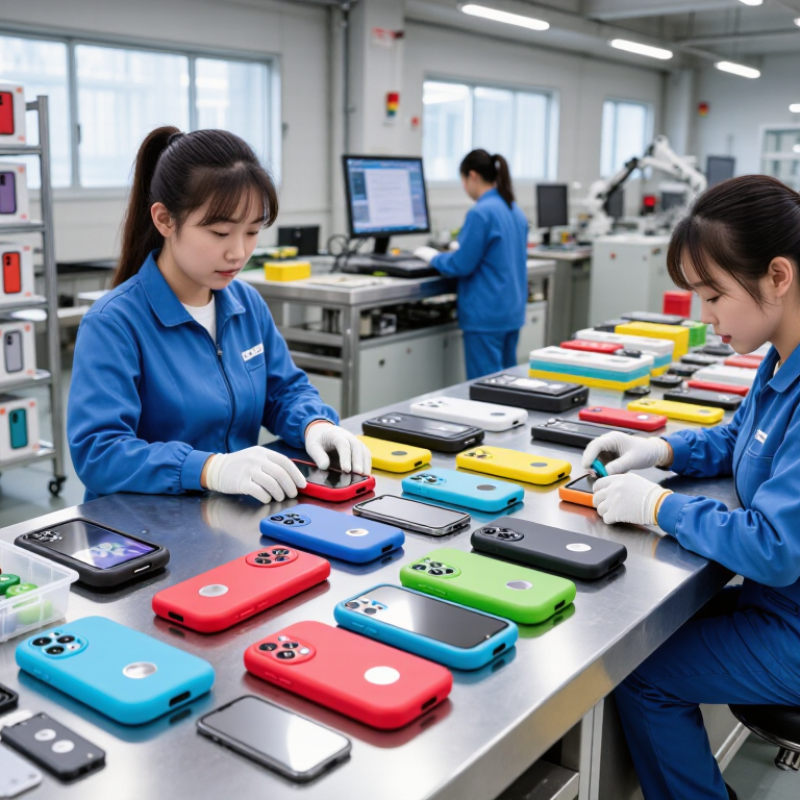
China’s phone toy manufacturing industry covers companies producing toy mobile phones for children, collectors, education, and promotional use. These products may include sound buttons, light effects, simple screens, removable parts, and rechargeable or replaceable power systems. The industry also includes OEM and ODM factories that develop designs, molds, packaging, and customized functions.
A reliable top-ten assessment should examine more than production volume. Important factors include factory experience, material control, product testing, design capability, order flexibility, and export documentation. During supplier evaluations, buyers should inspect plastic surfaces, button response, speaker clarity, battery protection, and packaging strength. Quality records and traceable inspection reports matter. The boundary is not always clean. Some factories produce phone toys alongside other electronic toys, making direct comparison difficult.
Tips: Request a working sample before placing a large order. Check whether the sample matches the final production version. Ask for material declarations, safety test reports, and clear production timelines. Confirm minimum order quantities and mold ownership in writing. A factory may offer a low price, yet weak after-sales support can create expensive delays. Personal factory visits provide useful evidence, but they cannot replace independent testing. Manufacturers should also explain how they handle design changes, defective units, and spare components.
When comparing China’s top ten phone toy manufacturers, buyers should examine evidence, not polished catalog images. A reliable supplier provides recent safety reports, material declarations, and traceable production records. Check whether testing covers small parts, sound levels, battery compartments, and accessible edges. Ask for reports from recognized laboratories. Verify model numbers against the actual sample. This step prevents expensive surprises. Good factories explain their quality-control points clearly. Inspectors should see incoming plastic checks, assembly checks, and carton drop testing. During a factory visit, observe how workers store components. Dust, mixed labels, or open battery bins deserve questions. Experience matters here. Photos can hide routine problems.
Product engineering also deserves close attention. Press each button repeatedly, test volume changes, and measure standby battery life. A phone toy should feel solid without becoming heavy for a child. Confirm that plastics resist cracking after ordinary drops. Review mold design, color consistency, and print durability. Keep samples sealed. Ask how rejected units are isolated and recorded. Strong manufacturers use batch codes, sampling plans, and corrective-action reports. Communication is another practical criterion. Can the team explain a defect in plain English and propose a measurable fix? Request a pilot order before committing to large quantities. Some suppliers promise perfect consistency. That promise is unrealistic. Even experienced teams miss defects, so transparent correction procedures matter more. Check production capacity, lead times, packaging accuracy, and documented compliance for each destination market. A dependable partner welcomes difficult questions and shares limitations.
China’s top 10 phone toy manufacturers form a practical sourcing group for retailers, educators, and children’s product distributors. These factories usually produce pretend mobile phones with colorful buttons, sound effects, light panels, and rounded ABS housings. Some also offer custom molds, packaging, languages, and simple interactive functions.
The leading manufacturers differ in useful ways. Several focus on low-volume prototypes and fast design changes. Others operate larger injection-molding lines for stable monthly orders. A few specialize in silicone covers, soft-touch parts, or rechargeable sound modules.
Experienced buyers should inspect factory photos, production samples, material certificates, and quality-control records.
Ask about button durability, battery compartments, volume limits, and edge finishing. Small details matter.
Safety comes before attractive features.
Suppliers should follow applicable toy safety requirements for target markets and provide traceable testing documents. Confirm whether paints, plastics, magnets, and electronic components meet current regulations. Factory audits can reveal crowded workstations, weak inspection routines, or inconsistent packaging.
No factory is perfect. A ranking can also change with pricing, capacity, and delivery performance. From my sourcing experience, clear drawings and signed samples prevent more problems than urgent negotiations.
I would still request a pre-shipment inspection, because attractive samples sometimes hide uneven assembly or loose parts.
China’s top ten phone toy manufacturers usually serve several product categories. These include pretend smartphones, educational sound toys, toy cameras, remote-control devices, and role-play accessories. A capable supplier should explain each product’s age range, functions, and testing process clearly. Product design matters, but stable production matters more.
Common materials include ABS, PP, silicone, and water-based coatings. ABS supports rigid phone bodies and detailed buttons. Silicone improves grip around soft cases or toy keys. Manufacturers may offer injection molding, pad printing, ultrasonic welding, assembly, and customized packaging. During factory evaluations, inspect mold accuracy, speaker volume, battery compartments, and surface edges. Small defects can become large quality problems. No factory is perfect. Even an attractive sample may hide inconsistent color or weak button springs.
Tips: Request material certificates, test reports, and production samples before placing an order. Check whether the supplier controls molds internally or outsources them. Ask for a pre-production sample with the final decoration and packaging. Review drop testing, sound levels, battery safety, and cleaning resistance. Keep written specifications. Verbal promises are easy to misunderstand. A useful comparison also includes minimum order quantities, lead times, replacement policies, and inspection checkpoints. Supplier capability should match the product’s real complexity, not only its catalog photographs.
Choosing among China’s top ten phone toy manufacturers requires more than comparing catalog photos. A reliable supplier should explain its factory location, production capacity, material sources, and quality-control process. Ask for a live video tour or an independent factory audit. Check whether the facility controls molding, assembly, printing, and final inspection. Outsourcing every step can make defects harder to trace.
Request production samples, not only showroom pieces. Test buttons, speakers, screens, charging ports, and battery compartments repeatedly. Inspect seams, paint adhesion, loose parts, and sharp edges. For children’s phone toys, confirm age grading and safety testing for your target market. Ask for current reports covering electrical safety, chemical limits, and relevant toy standards. Reports should match the exact model, materials, and factory. A generic certificate is weak evidence.
Review the manufacturer’s communication before placing a large order. Can the team provide clear drawings, inspection photos, packaging details, and corrective-action records? Confirm minimum order quantities, tooling ownership, lead times, spare parts, and warranty handling in writing. A small pilot order can reveal packing damage and inconsistent assembly. It may also expose hidden costs. I have seen polished samples create unrealistic expectations. Factory reality can be less tidy. Leave room for revisions, especially when sound volume, battery life, or language settings matter. A dependable partner welcomes measurable feedback and keeps batch records for future production.